Related: How to Read a Water Filter Certification Number
My kitchen counter has a TDS meter on it, a logbook in the drawer underneath, and a pitcher that gets refilled four or five times a day by a nine year old who will not drink water that tastes like a swimming pool. That is the honest origin story of everything on this site. I did not get into home water filtration because it was interesting. I got into it because my kid stopped drinking water and I wanted to know why.
I spent six years running contaminant analyses for a municipal water lab before I went independent. The first thing that job teaches you is how narrow the gap is between a real water problem and a marketing problem. My own Madison tap water is safe. It also tastes like chlorine in the spring and carries the hardness that comes with our geology. Those are two different complaints and they need two different answers, and no single device on a shelf solves both.
Most people shopping for home water filtration are trying to fix one of three things: taste, a specific contaminant they can actually name, or a situation where the tap is not available at all. If you cannot say which of those three you are solving, you will buy the wrong thing, and you will buy it twice.
The four devices below are not competitors. They are four different jobs. Two of them treat water you drink, one treats the air in the room where you drink it, and one protects the person doing the messy work of maintaining all of it. I test every unit the same way, and the method is at the bottom of this page if you want to check my work.
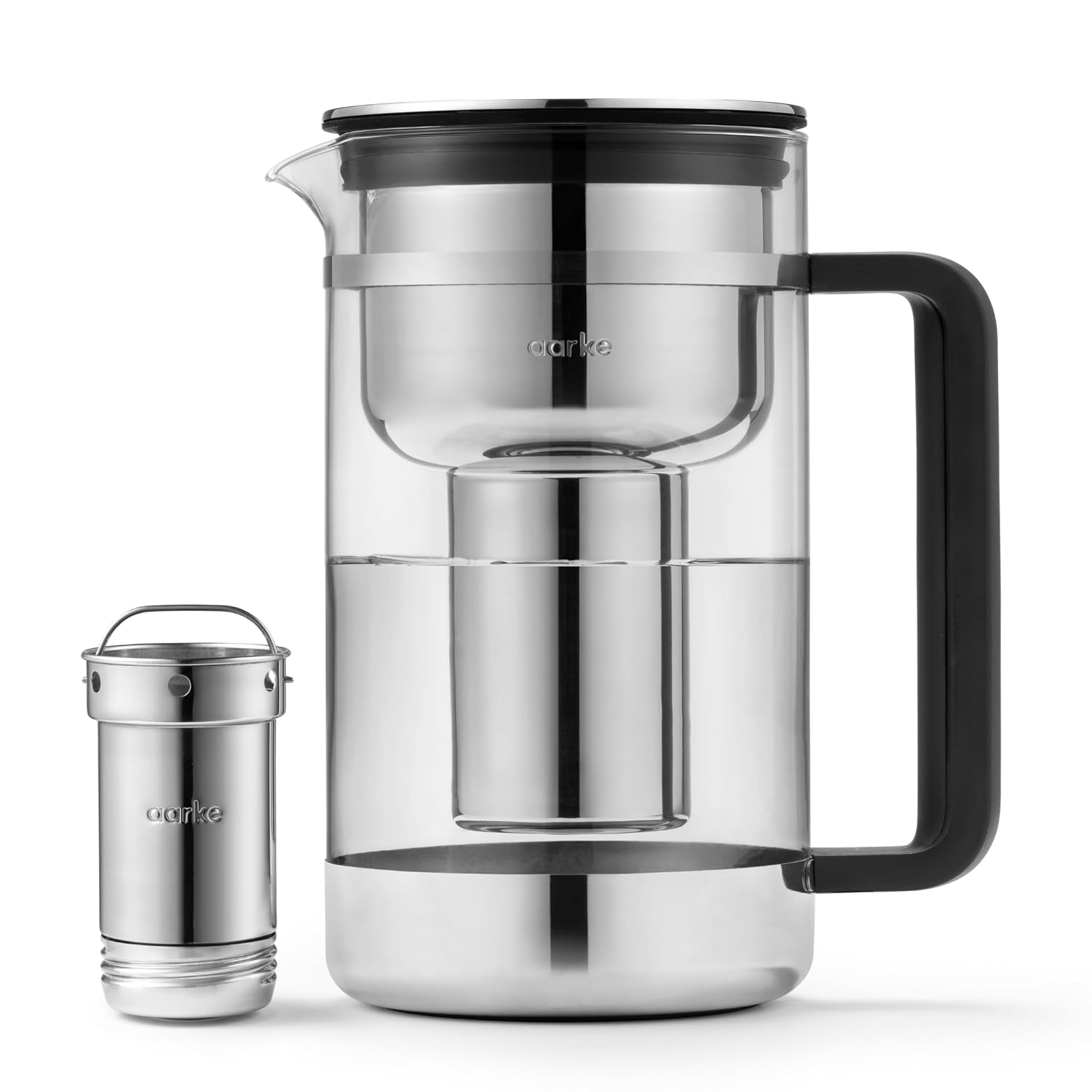
Best Overall for Everyday Drinking Water: Aarke Purifier
This is the pitcher I would hand to most households first, and the reason is not the media inside it. It is the vessel. Glass and stainless steel mean you are not storing drinking water in a plastic body that sits full on the counter all day, which matters to people who have already decided they do not want that. The 94 ounce capacity is roughly double a standard pitcher, so you are not refilling it every time two people want a glass at dinner.
Be honest about the job. A pitcher is a taste and chlorine tool. That is what the NSF/ANSI 42 standard covers, and it is the standard most pitcher cartridges are certified against. If lead is your concern, the label needs an NSF/ANSI 53 certification number, and it needs to list lead specifically. "Tested to NSF standards" with no number attached means nothing, and I will keep saying that until it stops working.
The other thing I tell everyone: the pitcher is the bait and the cartridge is the real price. Before you buy any pitcher, find the replacement cartridge, look at how many gallons it is rated for, and do that division. That number, not the sticker price, is what you are actually signing up for. And a filter that slows to a trickle after a month is a faucet decoration, no matter what it removes on paper.
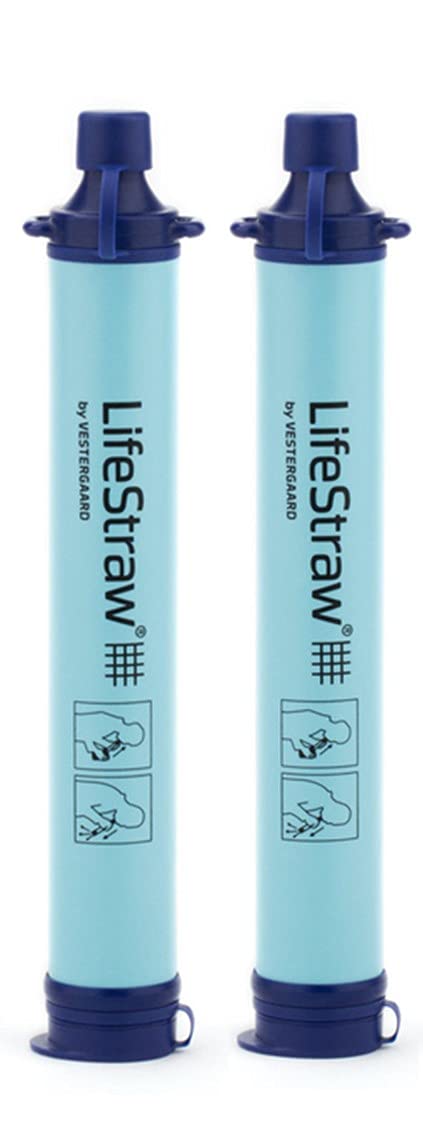
Best for Travel, Hiking, and Emergency Kits: LifeStraw Personal Water Filter
This is the one device here that does something your kitchen pitcher can never do: it treats water from a source you did not control. You drink directly through it, no pumping, no batteries, no electricity, nothing to prime. The two pack is the smart configuration because the honest answer to "where does this live" is two places: one in the hiking pack or glove box, one in the emergency bin with the flashlights.
Read the manufacturer's documentation before you trust it with anything. What you want is the micron rating of the media and the list of contaminant classes it was tested against. A hollow fiber straw is a particulate and pathogen barrier by design, and that is a genuinely useful thing to own. What it is not is a dissolved solids tool. It will not touch lead, it will not touch hardness, and it will not change the taste of mineral-heavy water. Anyone who tells you a straw filter replaces a home system has never used one.
For a bug-out bag, a canoe trip, or a week where the city issues a boil-water notice, this is the difference between having water and not having water. Keep it dry, keep it from freezing, and read the storage instructions.
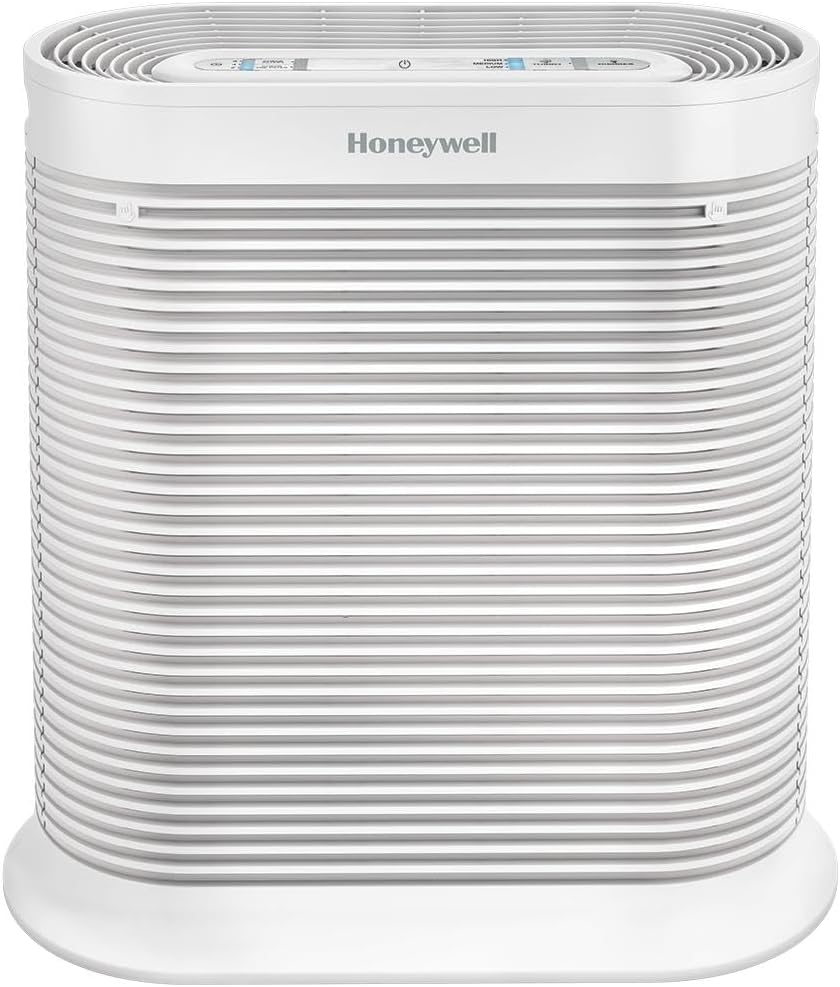
Best for the Air Side of the Same Problem: Honeywell AllergenPlus HEPA Air Purifier
Filtration logic does not stop at the glass. HEPA is one of the few filter words with an actual definition behind it, and it is worth knowing that "HEPA-type" and "HEPA-style" are marketing terms while true HEPA is a rated standard. The HPA304 is rated for rooms up to 2250 square feet in one hour, which is the manufacturer's figure. Do the math on your own space anyway: a bedroom or office you actually occupy is a fraction of that, so a unit like this is not working at its ceiling, which is exactly what you want from a machine that runs while you sleep.
Two things to check before you buy any air purifier. First, the replacement filter cost, for the same reason the pitcher cartridge matters. Second, whether the filters are proprietary, because a machine with a cheap body and an expensive locked-in filter is a subscription you did not agree to. If you have a basement workshop, a dusty media bench, or a house full of pet dander, this class of unit belongs in the same conversation as your water system.
Best for Filter Changes and Messy Work: 3M PAPR Respirator System
I want to be straight with you about who this is for, because it is not a kitchen appliance. A powered air purifying respirator uses a blower to push filtered air into the headpiece, which means you are not fighting to breathe through a cartridge while you work. This kit is a heavy industry configuration with a hard hat assembly, and it carries NIOSH certification, which is the approval that matters for respiratory protection in the United States.
Where it belongs: opening up a flooded basement, pulling saturated media out of a housing, working with treatment chemicals, or handling anything in a crawl space where you do not know what is growing. If you are swapping a pitcher cartridge at the sink, you need clean hands, not a PAPR. If you are doing remediation in an enclosed space, a dust mask is not the tool, and this is. Buy the protection that matches the work, and get the fit right.
How I test water filters
Every unit that comes through my basement bench runs 100 gallons before I form an opinion. I chart TDS and flow weekly for the life of the filter, log every cartridge change in a notebook, and send samples to a certified lab for pH, hardness, chlorine, lead, copper, and total organic carbon. The lab work is the part that costs money and the part that changes conclusions.
A TDS meter is a great filter performance meter and a terrible health meter. It reads dissolved solids in parts per million. Lead is measured in parts per billion. Anyone who tells you a TDS reading proves a filter removes lead is either confused or selling something.
Flow gets timed the same way, because the spec sheet never mentions what happens after a few weeks of use. I time a quart at the start, at the midpoint, and at the end of a filter's rated life. A unit that removes everything and takes four minutes to fill a glass ends up in a cabinet by month two.
Cost per gallon is the last column in the logbook and the first thing I check when someone asks me what to buy.
What the numbers actually mean
TDS is total dissolved solids, the minerals and salts in your water. It is not a health metric and it is not a purity score.
NSF/ANSI 42 covers taste and chlorine reduction. NSF/ANSI 53 covers health contaminants like lead. The number on the label is the whole point. "Tested to NSF standards" without a number is a sentence with no information in it.
Flow rate is the spec people ignore until they are standing at the sink waiting. It is gallons per minute the filter actually delivers, not the rate on the box.
Micron rating is the pore size of the media. Smaller is not automatically better. Smaller clogs faster, and a clogged filter is a filter that is not working.
Breakthrough is what happens when the media is exhausted and contaminants start passing through. It is the entire reason replacement schedules exist, and it is why I do not run cartridges past their rating on purpose, even when I have been tempted.
RO is reverse osmosis, a membrane process that drives dissolved solids down to near zero. It also strips minerals you might want back, and it comes with a multi-cartridge maintenance schedule.
The home water filtration reference table
| Device | Best for | What to check on the label | Notes |
|---|---|---|---|
 Visit on Amazon → Aarke Purifier pitcher |
Everyday drinking water, taste and chlorine | NSF/ANSI 42, plus 53 if lead is a concern | 94 oz, glass and stainless body |
 Visit on Amazon → LifeStraw personal filter |
Untreated water sources, hiking, travel, emergencies | Micron rating and tested contaminant list | Two in the pack, split the storage locations |
 Visit on Amazon → Honeywell AllergenPlus air purifier |
Dust, pollen, pet dander, smoke, odors | True HEPA, not HEPA-type | Rated for 2250 ft² rooms in 1 hour |
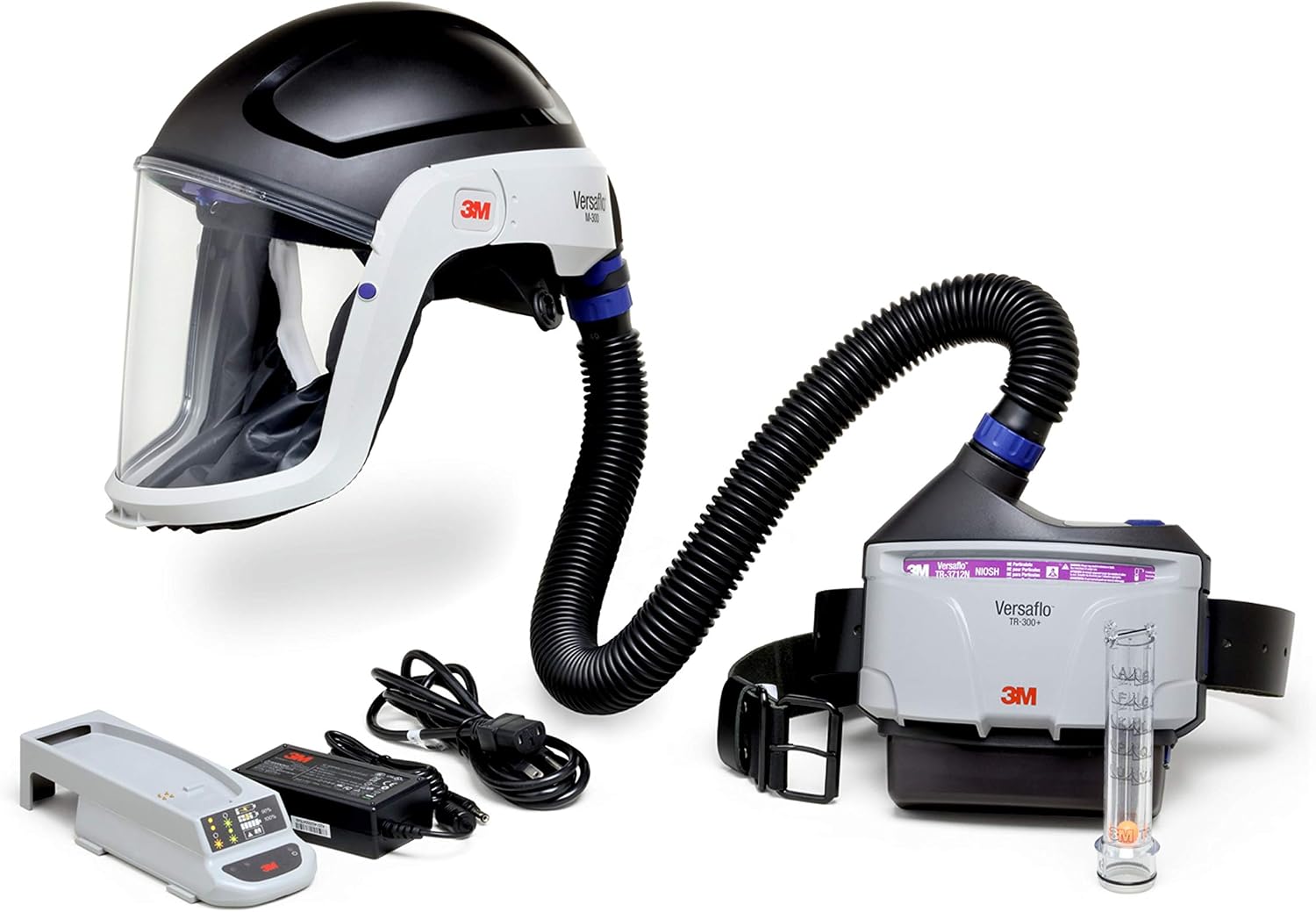 Visit on Amazon → 3M PAPR respirator system |
Filter changes, remediation, chemical handling | NIOSH approval | Heavy industry kit with hard hat assembly |
| Your own tap water | Knowing what you are actually treating | A certified lab panel | Test before you shop |
Pitcher and gravity filters
Pitchers are the entry point for most households, and they are genuinely good at taste. They are not good at everything, and the ones that claim to be are usually the ones with the vaguest label. Gravity-fed systems move more water than a straw and less than a faucet, and they are excellent for emergencies and awkward for daily life. Nobody wants to wait forty minutes for a liter.
Straw and squeeze filters
This category is about portability and untreated sources. It is the only category where you are often drinking water you cannot see through, so the documentation matters more than the marketing. Read what the manufacturer tested against.
Air and respiratory protection
Water and air are the same project. If you are filtering what you drink, you probably care about what you breathe, and if you are maintaining a system yourself, you need protection while you do it. Match the device to the job and do not skip the boring part.
Is the Aarke Purifier worth it for everyday drinking water?
Yes, for the job it actually does. It holds 94 ounces in a glass and stainless steel body, the capacity means fewer refills, and for households whose complaint is taste and chlorine, that is the whole assignment. Check the replacement cartridge price and the rated gallons before you commit, because that division is the real cost of ownership.
If your water has a lead problem, a pitcher alone is not your answer, and you should not buy any pitcher until you have a lab panel and a certification number in front of you.
Do you need a LifeStraw if you already have a pitcher filter?
They solve different problems, so the answer is usually yes. A pitcher treats water from your tap. A personal filter treats water from a source you did not control, which is why it belongs in a hiking pack, a glove box, and an emergency kit. The two pack makes that split easy.
The test I apply to every device here is the same one I apply at my own sink: what does it actually remove, what does it cost per gallon, and would I serve it to my kid. If a product cannot survive those three questions, it does not earn counter space in my house or a recommendation on this page.