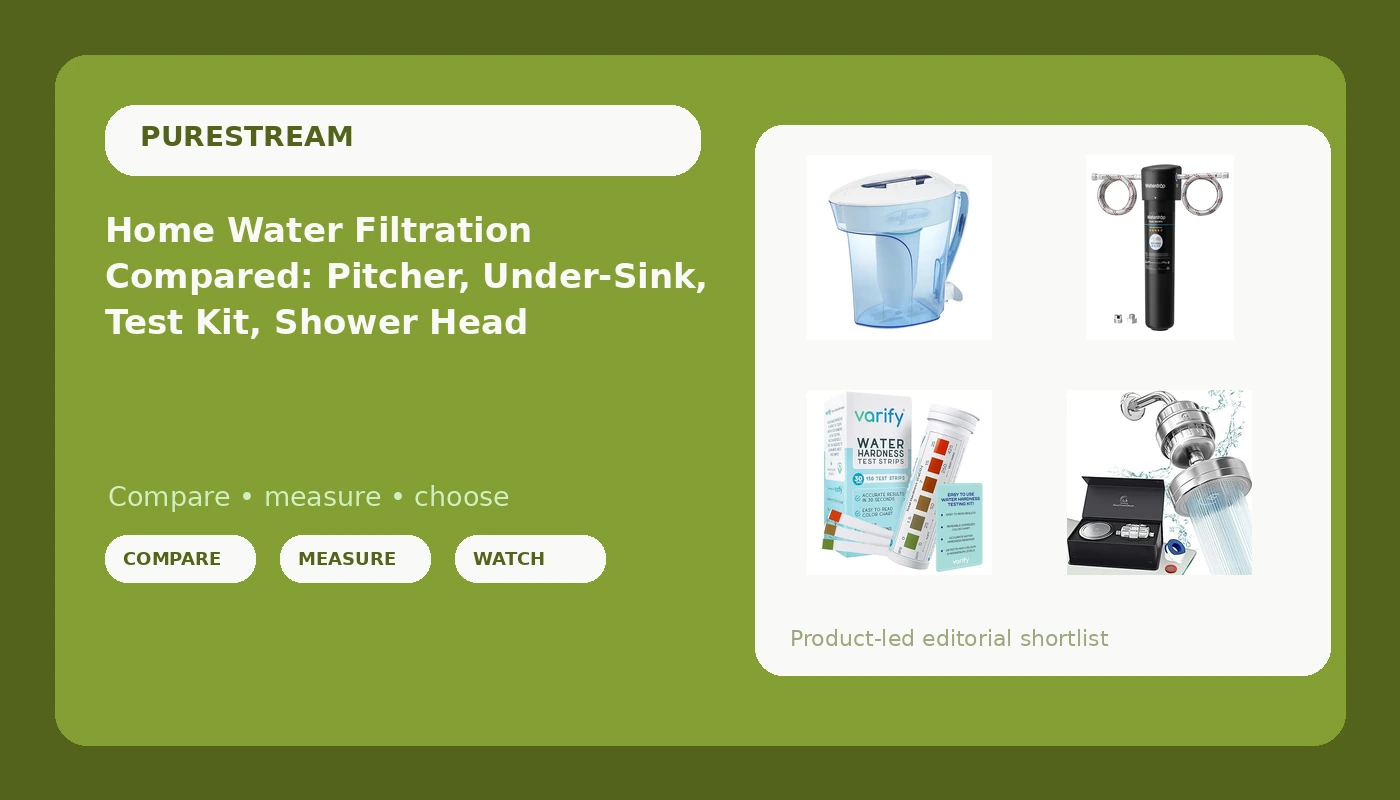
I have bench-tested more than 200 filter systems in my basement here in Madison, and the most common mistake I see in reader email is the same one every time: people buy a filter before they know what is in their water. So this home water filtration systems comparison runs from the smallest purchase to the largest, and it starts with a product that is not a filter at all. Four products, four different jobs. Two of them treat drinking water, one measures it, and one treats the water coming out of your shower head.
The best pick for most households is the Waterdrop 15UA under-sink system, because it treats the water you actually drink at the point of use and its cartridge is rated for 19,000 gallons or two years. If you rent, or you want to spend the least money today, the ZeroWater 10-Cup pitcher is the honest entry point. Buy neither until you know your water's hardness, which is what the Varify test kit is for. The AquaHomeGroup shower head is a separate purchase for a separate problem, and I will explain when it earns its place on the shower arm and when it is decoration.
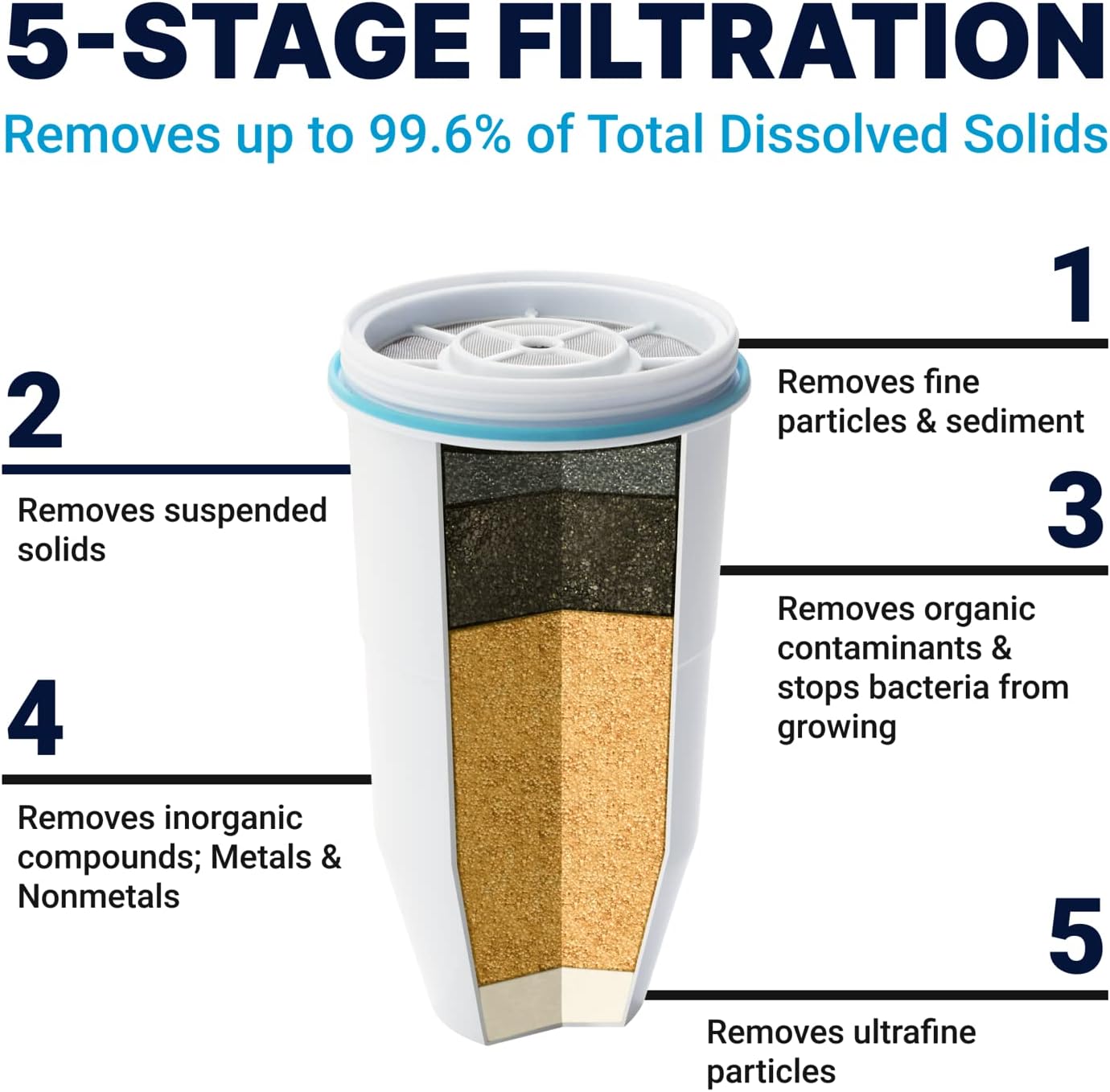
ZeroWater 10-Cup Pitcher Water Filter Removes PFOA/PFAS
Pulls dissolved solids out of tap water, the PFOA/PFAS class named on the box included, in a 10-cup countertop footprint with zero installation
Cartridge cost per gallon is the highest in this group, and the media exhausts faster when your source water is hard
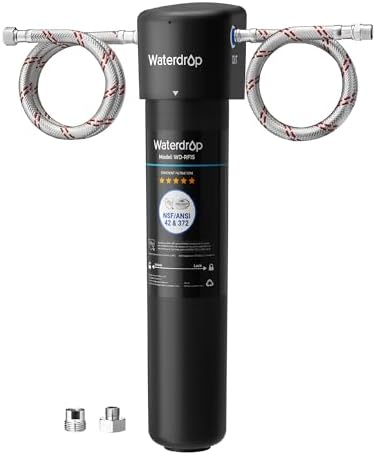
Waterdrop 15UA Under Sink Water Filter System, 19000 Gallons, 2 Years
Point-of-use filtration rated for 19,000 gallons or two years, so the filter cost spreads thin, and water arrives at faucet speed instead of gravity speed
Needs a cabinet, a wrench, and a spot for the filtered faucet, and it does not strip dissolved solids the way reverse osmosis does
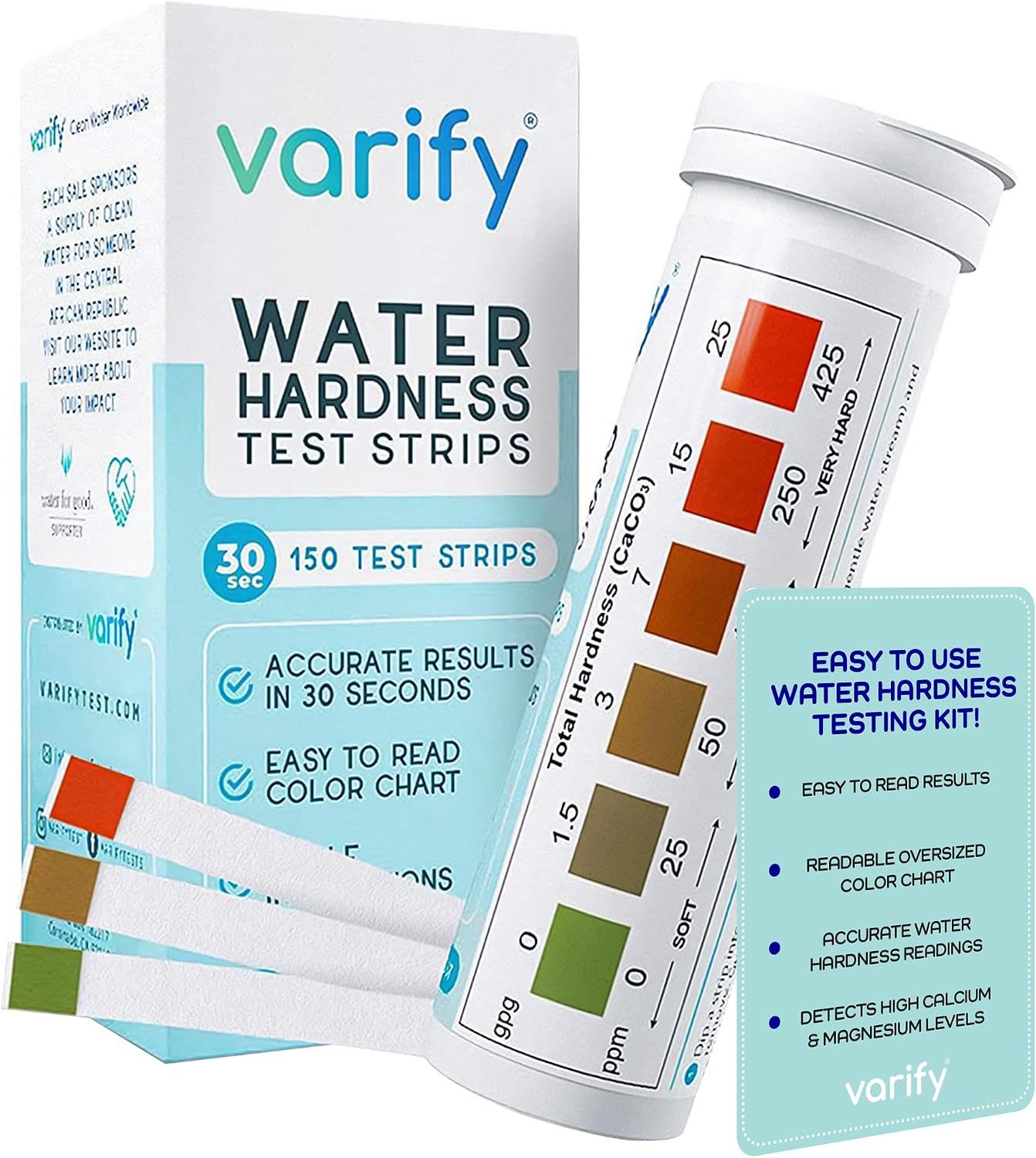
Varify Water Hardness Test Kit - Hard Water Test Strips for Well & Home
The cheapest way to learn your hardness number before you spend on anything else, and it works on well water and city water alike
Strips give you a range rather than a lab figure, and hardness is only one of the things worth knowing
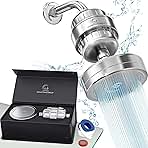
AquaHomeGroup Filtered Shower Head, 20+3 Stage, Reduces Chlorine, Chrome
A 20+3 stage cartridge aimed at chlorine, wrapped in a chrome body that looks like a normal shower head
Does nothing for the water you drink, and it adds one more cartridge to your replacement calendar
Prices and availability were captured from Amazon Creators API and may change.
How I judge a home water filtration system
Every unit that comes through my basement lab gets the same four questions, and I ask them in this order.
First, what does it actually remove, and what was it tested against? A filter that claims to remove "contaminants" without naming them is a box with a cartridge inside. I want a named list and an NSF/ANSI number. NSF/ANSI 42 covers taste and chlorine reduction. NSF/ANSI 53 covers health contaminants like lead. "Tested to NSF standards" without a certification number means nothing to me, because anybody can test anything and decline to publish the result.
Second, what is the flow rate at 50 gallons, not at gallon one? Manufacturers quote the happy number. Filters are at their best when the media is fresh and at their worst when it is loaded. A pitcher that takes four minutes to fill a glass on day one will take longer on day thirty, and that is the version of the product you will actually live with.
Third, what does it cost per gallon with replacements included? The sticker price is bait. The replacement filter is the real price, and it is the number that decides whether you keep using the thing or leave it in a cabinet next to a dead cartridge you never ordered.
Fourth, would I drink from it every day, and would I serve it to my kid? That is the only test that matters at the end.
TDS, or total dissolved solids, is where I start measuring, but it is not a health meter. It is a filter-performance meter. Water with a TDS of 400 is not dangerous by definition, and water with a TDS of 40 is not automatically clean. What TDS tells you is whether a filter is doing the dissolved-solids work it claims, and whether the media is still alive or has hit breakthrough.
The pitcher: ZeroWater 10-Cup
ZeroWater's entire pitch is dissolved solids, and this 10-cup pitcher is the most aggressive version of that pitch in a countertop format. Where a standard carbon pitcher handles taste and chlorine and calls it a day, this one runs water through ion exchange media plus carbon and pulls the dissolved solids down hard. The box names PFOA and PFAS as targets, which puts it in a different category from the taste-only pitchers most people grew up with.
Here is the trade-off, and it is a real one. The more a cartridge removes, the faster it loads up, and ion exchange resin in a pitcher has a finite appetite. If your water is hard, that appetite runs out quickly, and you will be buying cartridges at a rate that makes the pitcher look cheap and the ownership look expensive. This is exactly why I put the Varify test kit in this comparison. A hardness strip tells you in two minutes whether this pitcher is a good deal for your water or a subscription you did not plan on.
The other honest note is speed. Gravity pitchers are slow by design, and a 10-cup reservoir means you fill it, wait, and pour. That is fine for a family that keeps it in the fridge. It is not fine if you are filling a pot for pasta.
The under-sink system: Waterdrop 15UA
If you own your home, this is where I would put the money. The Waterdrop 15UA is a point-of-use system that mounts in the cabinet under the sink and feeds a dedicated filtered faucet. It is rated for 19,000 gallons or two years, and that rating is the whole argument. When a cartridge covers that much water, the cost per gallon collapses, and you stop thinking about the filter every time you turn the tap.
The practical wins are flow and convenience. You are not waiting on gravity, you are not refilling a reservoir, and you are not carrying a pitcher back and forth. You turn the handle and you get filtered water at a normal rate, which is the difference between a filter you use daily and a filter you use until the novelty wears off.
The trade-offs are installation and scope. You need cabinet space, a wrench, and either a hole for a second faucet or a diverter on your existing one. Renters should read a lease before drilling anything. And be clear about what this is: a carbon-based point-of-use filter is excellent at chlorine, taste, and the organic compounds that make water smell like a pool. It is not reverse osmosis. It will not drive dissolved solids to near zero, and if your goal is mineral-free water, you want an RO system and a different budget conversation.
The test kit: Varify Water Hardness Test Kit
This is the least exciting product here and the one I would buy first. Hardness is the spec that decides half the purchases in this article. Hard water is why your pitcher cartridge dies early, why your shower head and fixtures collect scale, and why your soap will not lather. It is also the number nobody checks before spending money.
The Varify kit is a strip-based test for well water and city water. You dip, you wait, you compare against a color chart, and you get a range. I will be straight with you about the limits: a strip is a screening tool, not a lab result. If your strip says "very hard," you have learned something useful and actionable. If you need a defensible number for a softener sizing decision or a real estate transaction, send a sample to a certified lab instead.
What the strips are genuinely good at is triage. If your water comes back soft, the ZeroWater pitcher makes more sense than it would otherwise, and you can skip the softener conversation entirely. If it comes back hard, you now know why every cartridge in your house dies young, and you can plan around it instead of guessing. On a well, I would run a strip at least seasonally, because well chemistry moves with rainfall and the aquifer.
The shower head: AquaHomeGroup Filtered Shower Head
The AquaHomeGroup unit is a 20+3 stage filtered shower head in chrome, and it is aimed squarely at chlorine. That is a legitimate target: chlorine is volatile, it goes into the air as steam in a hot shower, and plenty of people notice a difference in how their skin and hair feel when it is reduced.
What I will not do is sell you a health cure. I test what filters remove, not what water cures. The case for a filtered shower head is comfort, smell, and scale management, not detoxification. If your water smells like a swimming pool when you shower, this addresses the thing you are noticing. If your water is simply hard, the media in a shower head is not a softener, and the scale will keep coming.
Two practical notes. First, check that the head fits your shower arm and that the added length does not put the spray where you do not want it. Second, this is another cartridge on a schedule. The 20+3 stage media does not last forever, and a filter you never replace is just a heavy shower head.
Cost per gallon is the only honest metric
Line up the purchase prices and the pitcher looks like the bargain and the under-sink system looks like the commitment. Flip to cost per gallon and the order reverses. The pitcher's media is small and it loads quickly, so you buy cartridges often. The under-sink cartridge is rated for 19,000 gallons, so you buy it rarely. That is the entire economics of home filtration, and it is why I refuse to discuss a filter without printing the replacement cost next to the purchase price.
The other trap is proprietary cartridges. When a cartridge is only sold by one brand, that brand sets your price for as long as you own the unit. That is not automatically a dealbreaker, but it is a commitment, and you should make it with your eyes open.
Which one should you buy
Renters with bad-tasting tap water: the ZeroWater 10-Cup pitcher, plus a hardness strip to check whether your cartridge life will be reasonable.
Homeowners who drink a lot of tap water: the Waterdrop 15UA under-sink system. Best cost per gallon in this group, no waiting, no refilling.
Anyone on a well, or anyone who has never tested their water: the Varify hardness kit first. Then buy the filter that matches what you find.
Anyone with a chlorine smell in the shower, or skin and hair complaints that track with showering: the AquaHomeGroup shower head, understood for what it is and not as a substitute for drinking-water treatment.
And if your goal is genuinely mineral-free water, none of these four is the answer. That is reverse osmosis territory, and it comes with a filter schedule of its own.
What I am testing next
There are nine units on my bench right now, each running toward 100 gallons while I chart TDS and flow decline week by week, plus a parallel lab batch checking lead, chlorine, and hardness claims that the manufacturers do not publish. The pitcher-versus-under-sink question is the one readers ask most, and I want the cost-per-gallon numbers to come from my own logbook rather than from a box. When that batch is done, I will publish the curves.