I moved to Madison and spent the first month convinced something was wrong with my pipes. The water tasted like a swimming pool, and my kid, who used to drink two glasses with dinner, started pushing the cup away. I spent six years running contaminant analyses for a municipal water lab before I went independent, so I did what I always do: I stopped guessing and started measuring. This water filter comparison is the version of that conversation I wish someone had handed me, because the four products below do not do the same job, and two of them are not even in the same room of your house.
Related reading on this site: our breakdowns of under-sink and countertop options live in the water filters section, and the methodology is the same one I use here.
The short answer: for a household that wants dissolved solids, chlorine taste, and hardness minerals pulled out of drinking water, the DREO countertop reverse osmosis system is the most capable unit here. The Waterdrop PT-07R pitcher is the right pick for a renter who wants cold, better tasting water in the fridge for the lowest entry cost. The filter straws belong in a go-bag, not on a counter. And the Winix 5500-2 is an air purifier, so it belongs in this comparison only as a budget conversation, not as a water solution.
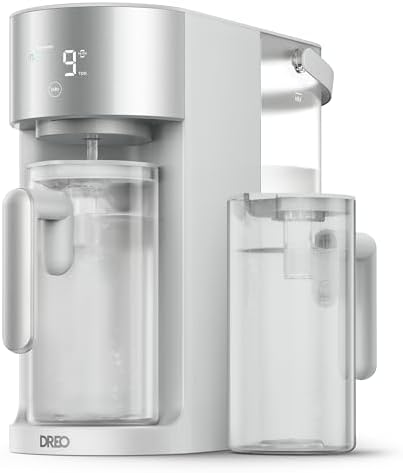
DREO Reverse Osmosis Water Filter Countertop
RO membrane strips dissolved solids to near zero, 3:1 pure to drain ratio, built-in TDS and filter life display, two autofill pitchers, no plumbing required, self-cleaning cycle
Needs counter space and power, produces concentrate water you have to route or dump, replacement filters are the real cost, overkill if your only problem is chlorine taste
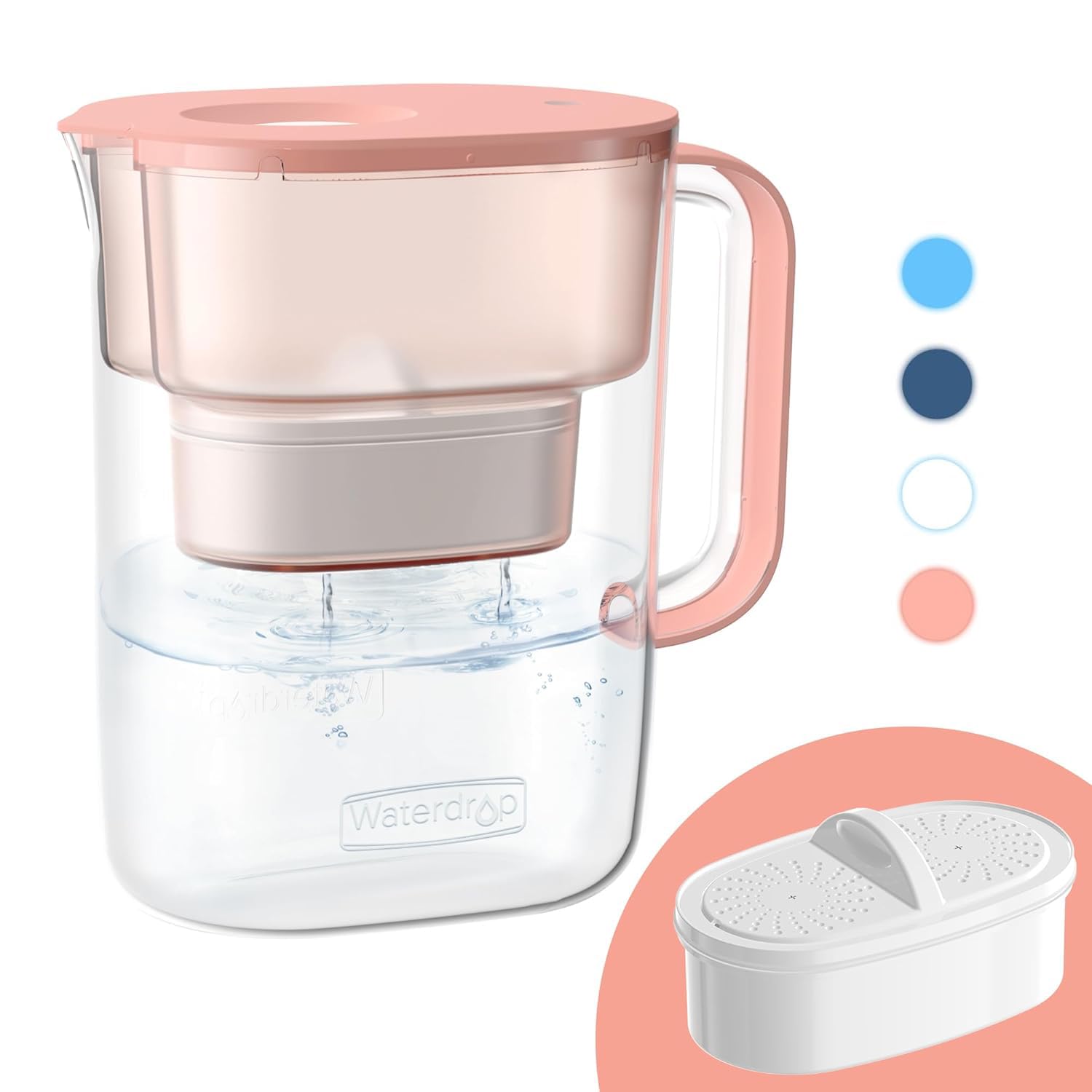
Waterdrop PT-07R Water Filter Pitcher, 10-Cup, NSF Certified, Pink
10-cup capacity, NSF certified, no installation, fridge friendly, easiest filter to live with for a renter, low entry cost
Pitcher media does not remove dissolved solids the way RO does, cartridge life depends on your water chemistry, flow slows as the media loads, you have to remember to change it
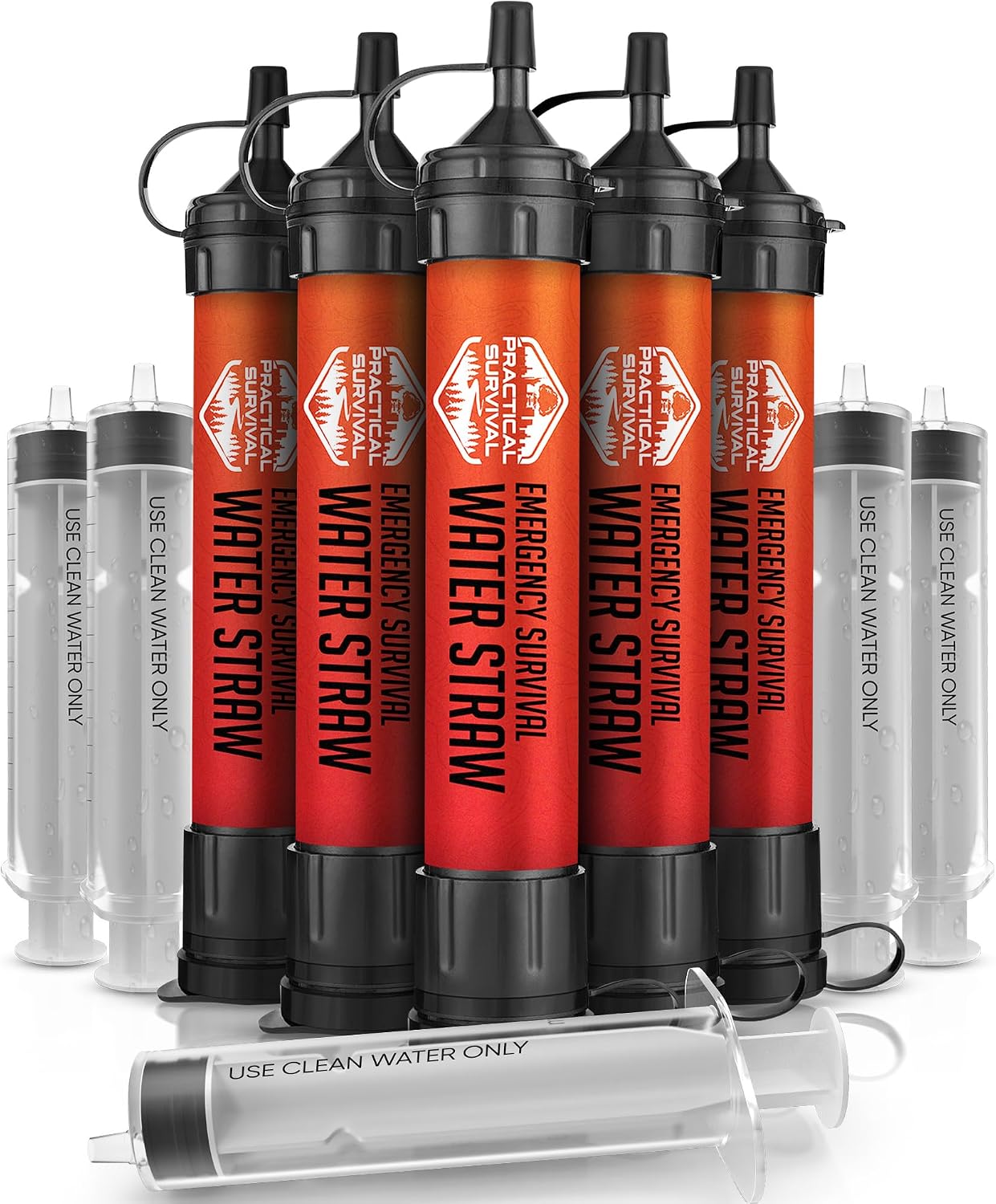
Practical Survival Reusable Emergency Water Filter Straws, 5-Pack
Five units for a family go-bag, no power or plumbing, packable, genuinely useful during a boil-water advisory or on a trail
Personal one-at-a-time use, low volume, no household certification to point at, will not address dissolved lead or chemical contamination, not a daily kitchen filter
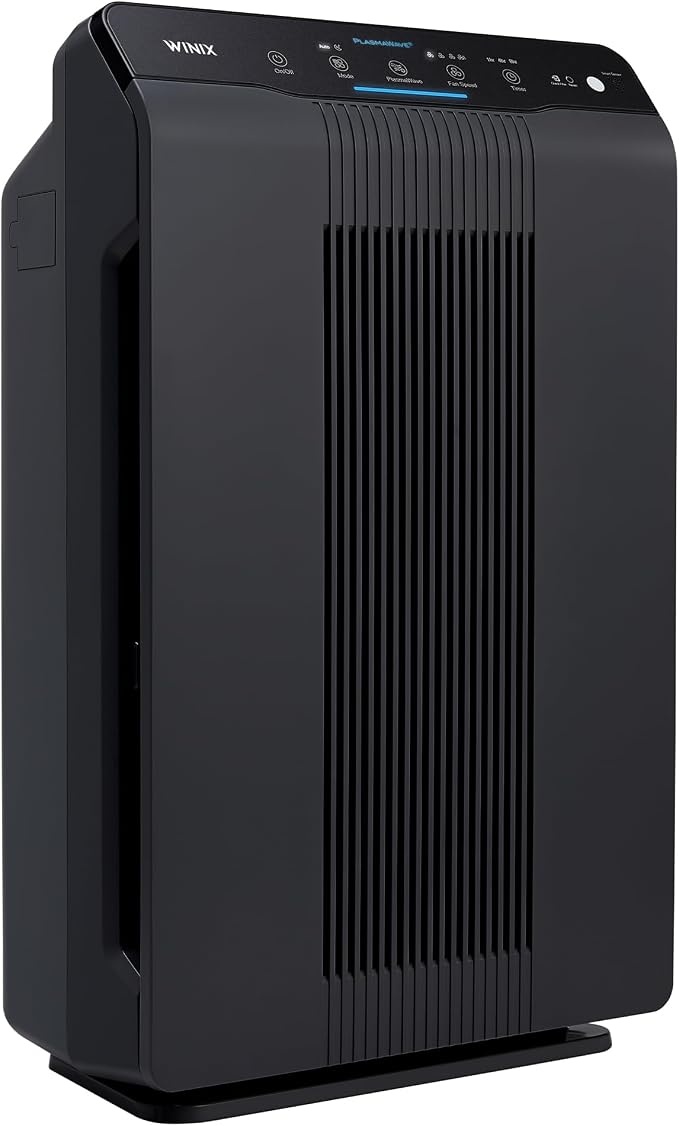
Winix 5500-2 Air Purifier with True HEPA, PlasmaWave and Odor Reducing Washable AOC Carbon Filter, Medium
Real True HEPA particle filtration plus a washable carbon layer for odors and VOCs in the air, washable pre-filter cuts maintenance
It does not filter water. Full stop. It is here because it competes for the same household budget
Prices and availability were captured from Amazon Creators API and may change.
Three jobs, four products, one table
I want to be upfront about why this table looks strange. A countertop reverse osmosis unit, a gravity pitcher, a hollow-fiber emergency straw, and an air purifier are not competitors in any technical sense. They solve different problems with different media at different price points.
What they do share is your money. If you have a few hundred dollars to spend on making your home healthier, that money can go to the kitchen counter, the fridge, the emergency shelf, or the bedroom air. So the honest comparison is about allocation, and about which of these four actually fixes the problem you have.
That means the first thing you should do is figure out what your problem actually is. Chlorine taste and odor is a carbon problem. Dissolved solids, hardness, and the mineral load that leaves spots on your glasses is a membrane problem. Bacteria in surface water on a hike is a hollow-fiber problem. Smoke, dust, and pet dander is a HEPA problem. Buying the wrong category is how people end up with a $200 machine and the same complaint they started with.
Countertop reverse osmosis: the DREO system
Reverse osmosis is the only technology in this group that meaningfully reduces total dissolved solids. The membrane rejects dissolved minerals and salts along with a long list of contaminants, which is why RO is the standard answer for hard water, high TDS wells, and anyone who wants water that tastes like nothing.
The DREO unit is a countertop design, which matters more than it sounds. No under-sink plumbing, no drilling, no shutoff valve gymnastics, and no landlord conversation if you rent. The listing specs a 3:1 pure to drain ratio, meaning three gallons of treated water for every gallon sent to drain. Older RO systems ran closer to 1:1 or worse, and that ratio is the difference between a system you feel good about and one that makes you wince every time it cycles. It also carries a TDS readout and a filter life display, two autofill pitchers, and a self-cleaning cycle.
The TDS readout is the feature I care most about, and not because TDS is a health metric. It is not. TDS is a performance meter. It tells you the membrane is working and, more importantly, it tells you when it stops working. When that number climbs back toward your tap water baseline, your membrane is spent. That is the single most useful piece of information a home filter can give you, and most of them hide it.
The trade-offs are real. It takes counter space. It needs power. It produces concentrate water that has to go somewhere, and while you can absolutely route that to a houseplant or a bucket, you are still producing wastewater. And the machine is not the cost, the filters are. Before you buy any RO system, price the replacement set and divide by the rated gallons. That number, not the sticker, is what you are agreeing to.
If your water is already soft and low in TDS and your only complaint is a chlorine smell, RO is a lot of machinery for a problem a carbon filter solves. Match the tool to the job.
The pitcher: Waterdrop PT-07R
Pitchers are the most misunderstood product in home filtration, so here is the plain version. A pitcher is an adsorption device. Water trickles through a cartridge, usually carbon plus some ion exchange resin or a similar media, and what comes out is better tasting water with some contaminants reduced depending on what the cartridge is certified to do.
The Waterdrop PT-07R is a 10-cup NSF certified pitcher in pink, and 10 cups is a genuinely useful capacity for a family, because a 6-cup pitcher means you are refilling it constantly. The NSF certification is the part I would point at first. There is a difference between a claim that a filter is "tested to NSF standards" and a product that holds an actual certification, and you should look up the certification number rather than trusting the box. NSF/ANSI 42 covers taste, odor, and chlorine reduction. NSF/ANSI 53 covers health related contaminants like lead and cysts, and it only applies if the product is certified for it specifically. Ask which standard, and ask for the number.
What a pitcher will not do is remove dissolved solids. Your water will not get softer, spots will not disappear, and TDS will barely move. If that is your complaint, this is the wrong product and no amount of cartridge swapping fixes it.
The other honest caveat is cartridge life. Rated life assumes a certain influent water quality. If your water is heavily chlorinated or high in sediment, the media loads faster, and the flow slows before the calendar says it should. That is not a defect, it is chemistry. Buy the replacement cartridges before you need them, because a pitcher that has slowed to a trickle is a pitcher nobody in the house uses.
The emergency straws: Practical Survival 5-Pack
These are hollow-fiber filter straws, five to a pack, and they exist for the scenario where your normal water supply stops being normal. Boil-water advisories, a flooded municipal line, a hiking trip where you are drinking from a stream, a car kit, a go-bag. Hollow-fiber membranes physically block bacteria and protozoa, which is exactly the risk profile of untreated surface water.
The 5-pack is the sensible format for a household, because a single straw only helps one person. Five covers a family or gives you redundancy across a car, a pack, and a shelf.
Now the limits, and I want to be blunt about them because the marketing on survival gear is loose. A straw is a personal, low-volume device. You drink through it directly. It will not fill a pot, it will not fill a pitcher, and it will not serve a family dinner. Hollow-fiber media is also not reverse osmosis. It does not remove dissolved heavy metals like lead or dissolved chemicals, and it is not a substitute for a kitchen filter. Reusable means you backflush it per the instructions, not that it lasts forever.
Emergency gear earns its place by being there when nothing else is. Buy it for that, keep it in the bag, and do not ask it to be your everyday water solution.
The outlier: Winix 5500-2
This is an air purifier with a True HEPA filter for particles and a washable AOC carbon filter for odors and volatile organic compounds in the air. It does not filter water. I am including it because it showed up in the same shopping session and because it belongs to the same budget conversation, not because it is a water product.
If your household concern is smoke, dust, pet dander, or cooking odors, this is a legitimately different purchase that competes for the same dollars as the DREO. One note worth knowing before you buy: the PlasmaWave feature is a separate ionization stage that can be switched off if you would rather not run it. I mention that because it is the kind of thing you want to know before the box arrives, not after.
The washable pre-filter and washable carbon layer are the practical wins here. Filters you can rinse are filters you actually maintain, and a maintained filter outperforms a neglected premium one every time. But to be clear one more time: none of that has anything to do with the water coming out of your tap.
Trade-offs, and the number that actually matters
Every product here has a replacement consumable, and that consumable is the real price. A pitcher cartridge, an RO membrane and sediment and carbon stages, a straw that eventually loses flow, a HEPA filter you swap once a year. The purchase price is a down payment on a schedule.
So run the math yourself, with your own numbers. Take the cost of the replacement filter, divide it by the gallons it is rated for, and you get cost per gallon. Do that for the DREO and do it for the Waterdrop and compare. Most people are surprised, and usually in the direction of the cheaper machine having the more expensive water. That is not an argument against pitchers, it is an argument for knowing what you signed up for.
The second trade-off is convenience, and it decides whether you use the thing at all. A countertop RO with two autofill pitchers is easy to live with. A pitcher you have to refill and wait on is easy to abandon. A straw is easy to forget in a drawer until you need it. Flow rate is the spec people ignore until they are standing at the sink watching a drip.
Who should buy which
- DREO countertop RO: households with hard water, high TDS, well water, or a genuine dissolved solids complaint. Renters who want RO without plumbing work. Anyone who wants a TDS readout so they can watch the membrane age.
- Waterdrop PT-07R pitcher: renters, small kitchens, fridge water, and anyone whose complaint is taste and chlorine rather than hardness. Also a good second unit if you have RO at the sink but want cold water in the fridge.
- Practical Survival straws: go-bags, car kits, camping and hiking, and homes in areas with boil-water advisories. Not a kitchen appliance.
- Winix 5500-2: anyone whose actual problem is air, not water. Pets, smoke, allergies, a bedroom that smells like last night's dinner.
FAQ
Does the pitcher remove lead? Only if it holds an NSF/ANSI 53 certification for lead reduction specifically. Check the certification number. Taste and odor certification under 42 tells you nothing about lead.
Is RO water safe to drink? Yes. It is low in dissolved minerals, and you get those minerals from food. Anyone selling you a remineralizer is solving a problem they invented.
Can I use a straw as my daily filter? No. It is a personal emergency device for biological contamination in untreated water, not a household filter.
Do I need both RO and a pitcher? Plenty of people run RO at the counter and keep a pitcher in the fridge for cold water. That is a convenience purchase, not a filtration upgrade.
How do I know when to replace a filter? Use the schedule, but trust the data more. If the TDS number climbs, the flow drops noticeably, or the taste changes, the media is loading regardless of what the calendar says.
The bottom line
If you want one machine that handles dissolved solids, taste, and hardness, the DREO countertop RO is the most complete water solution in this group, and its TDS and filter life displays are the reason I would pick it over a cheaper unit with no feedback. If you want better tasting cold water for the least money and no installation, the Waterdrop PT-07R is the sensible first filter for a rental kitchen. The straws are insurance, and you should own insurance. The Winix is a good air purifier that has nothing to do with your water, and I would rather tell you that plainly than pretend otherwise.