Most people buy a water filter pitcher the way they buy a phone case. They grab whatever is on the shelf, then spend two years quietly annoyed by it. I have spent the last several years running contaminant analyses and bench tests on home filtration, and the pattern never changes: the pitcher is cheap, the cartridge is the product, and a water filter pitcher comparison that ignores replacement cost, flow rate, and what the media actually targets is just a shelf review with better photography.
So this is a comparison of four items that landed in the same buying decision: two Waterdrop pitchers, a ZeroWater replacement filter two-pack, and one product that is not a water filter at all. I am including that last one on purpose, because the two purchases get tangled constantly and somebody should untangle them.
The short version: the Waterdrop PT-07B is the pitcher I would hand to most households, the PT-11W bundle is the smarter buy if you will actually change cartridges on schedule, the ZeroWater two-pack is for people who specifically care about dissolved solids, and the Coway air purifier belongs in a different cart entirely.
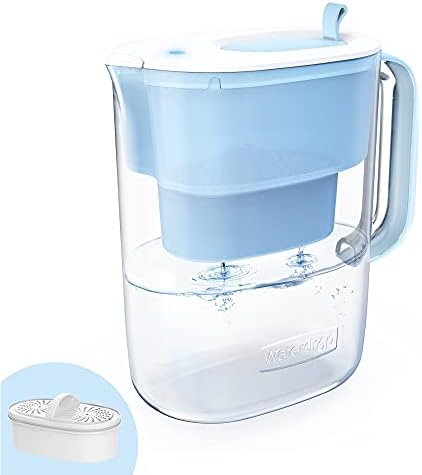
Waterdrop PT-07B Water Filter Pitcher, 10-Cup, NSF Certified, Blue
Ten cups means fewer refills and more actual drinking; NSF certification is stated on the product itself
Large fridge footprint; carbon media handles taste and chlorine, not dissolved solids
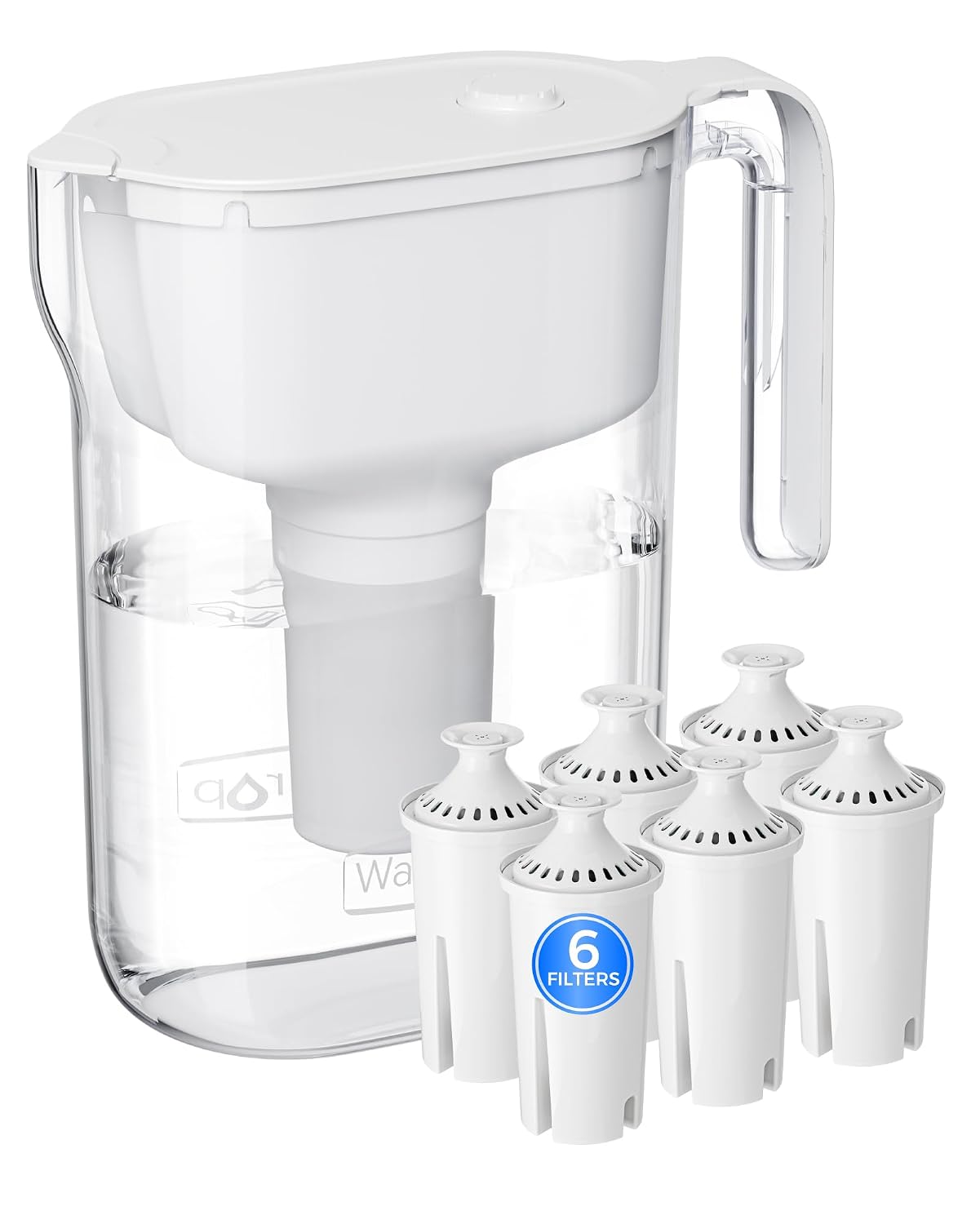
Waterdrop PT-11W 7-Cup Water Filter Pitcher with 6 Filters, White
Seven cups is small for a family; slimmer body means more refill trips

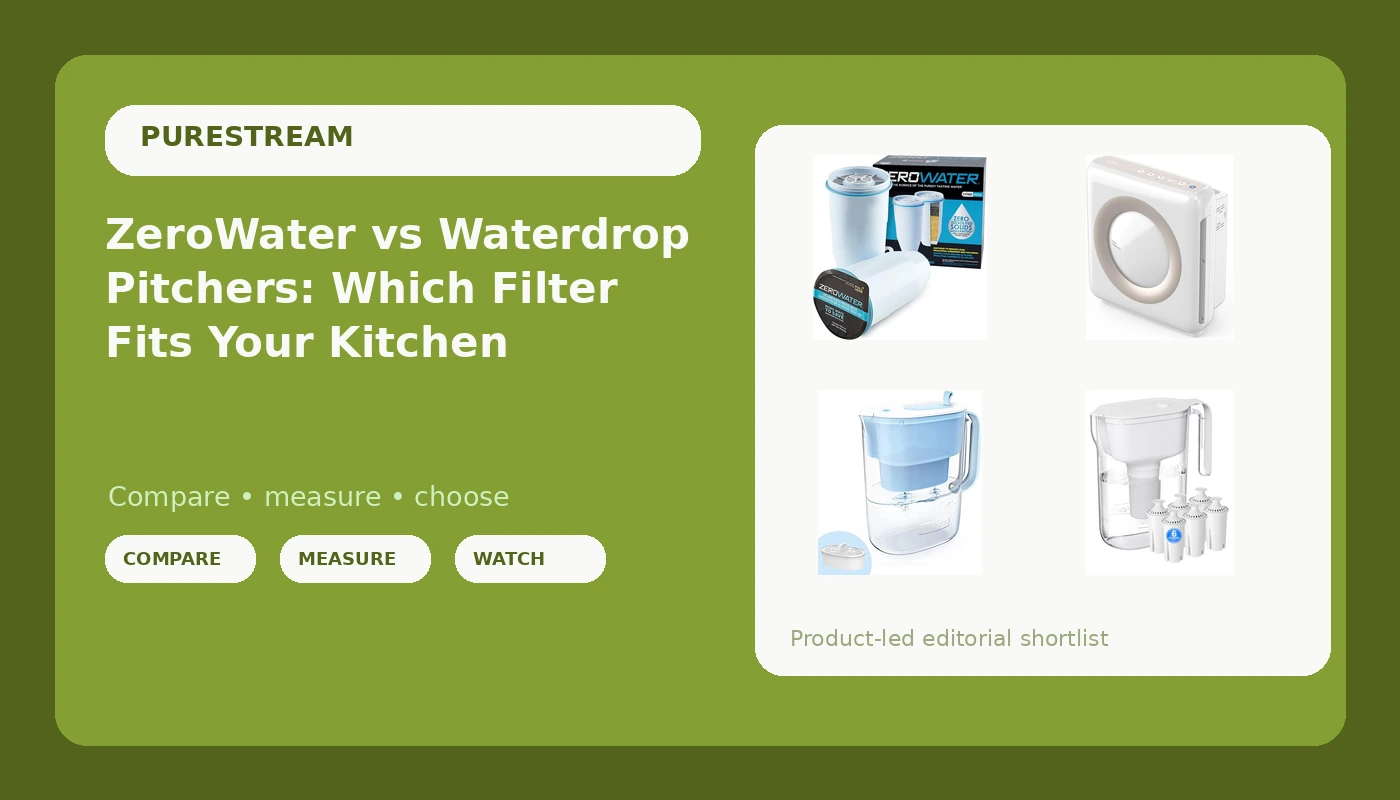
ZeroWater Official Replacement Water Filter Removes PFOA/PFOS 2-Pack
Not a pitcher on its own; it needs a ZeroWater housing, and ion exchange media exhausts faster on hard water
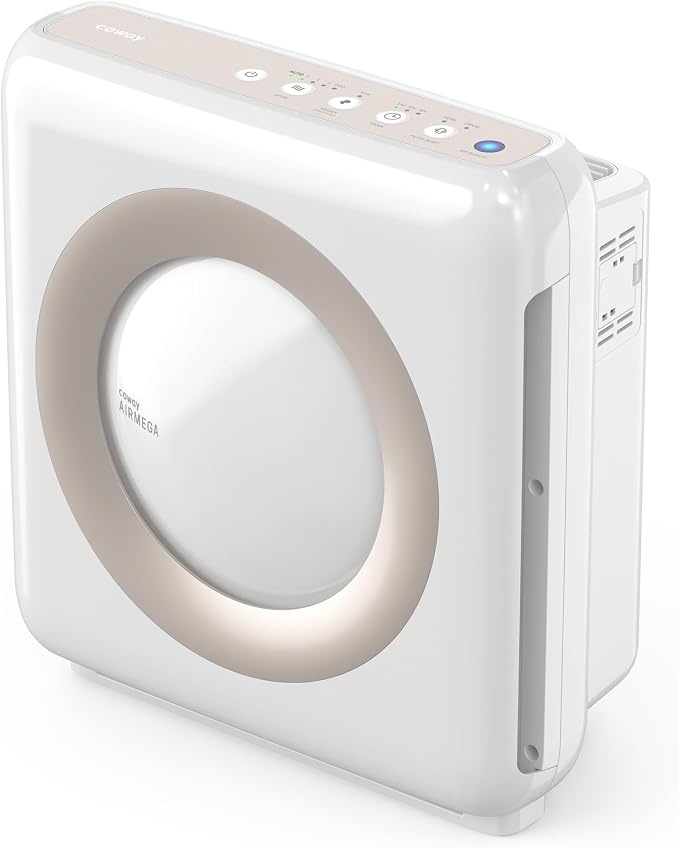
COWAY Air Purifier for Home Up to 1,748ft², HEPA Filter for Smoke, Allergies, Pet Dander, Odor, Air Quality Monitor, Auto&Eco Mode, Timer, Filter Indicator, 3yr Warranty, Mighty AP-1512HH(W), White
Does nothing for water; HEPA and carbon cartridges are another consumable schedule to fund
Prices and availability were captured from Amazon Creators API and may change.
How I judge a pitcher, in four numbers
I do not start with brand names. I start with four questions, in this order.
What does the media actually target? Carbon reduces chlorine and the taste and odor compounds that come with it. Ion exchange resin targets dissolved solids. Those are different jobs with different price tags. If a label says "removes 99.9% of contaminants" without listing which contaminants, you have learned exactly nothing, and you should assume the marketing department wrote it, not the lab.
Is there a certification number? NSF/ANSI 42 covers taste and chlorine reduction. NSF/ANSI 53 covers health contaminants like lead. "Tested to NSF standards" without a standard number is a sentence, not a certification. Look up the listing, find the standard, and check that the claim you care about is covered by it.
What is the flow rate at the end, not the start? Every pitcher pours fine on day one. The question is what happens in week six, after the media has loaded up with everything it has been removing. A pitcher that takes four minutes to fill a glass is not a filter, it is a faucet decoration with a lid.
What does it cost per gallon? Cartridge price divided by rated gallons, then adjusted for how your water treats the media. Hard water and high dissolved solids burn through cartridges faster. Soft municipal water is gentle on them. The sticker on the pitcher is a down payment, not the price.
One housekeeping note: I do not print prices in this article, because they move every few weeks and a stale number is worse than no number. Each listing in the table above goes to the live figure, so check current Amazon price there before you decide.
ZeroWater Official Replacement Water Filter, 2-Pack: the media that does the heavy lifting
Start with what this is not. It is not a pitcher. It is the cartridge set for a ZeroWater system, which means you either already own that housing or you are buying it separately. If you are looking for a complete pitcher out of the box, this is the wrong line item, and I would rather say that plainly than let you find out at the sink.
What it is: the only filter in this comparison that goes after total dissolved solids. ZeroWater's approach is ion exchange, which pulls dissolved minerals and salts out of the water rather than just polishing the taste. The product name also states a PFOA/PFOS reduction claim, which is a specific, checkable claim rather than a vague one, and that matters to me. Specific claims can be verified. Vague ones cannot.
The trade-off is physics. Ion exchange media is consumed by everything it removes, so the harder and more mineral-heavy your water, the faster the cartridge gives out. That is why ZeroWater ships a TDS meter with its systems: the meter tells you when the media is spent instead of guessing from a calendar. If your complaint is flat-tasting water and a high meter reading, this category moves the needle. If your complaint is that your water tastes like a swimming pool, that is a chlorine problem, and carbon handles it for less money.
Buy the two-pack if you own the housing and you want spares on the shelf. Do not buy it as your first pitcher unless the pitcher is in the same order.
Waterdrop PT-07B 10-Cup Pitcher: the volume pick for most kitchens
The PT-07B is the pitcher I would put in most households, and the reason is capacity. Ten cups means you fill it once in the morning and you are not standing at the sink again after every glass. Capacity is the spec people underestimate, because a pitcher that runs dry constantly trains you to stop using it. Nobody drinks more water because they bought a nicer filter. They drink more water because the cold, filtered water is already there.
The product name states NSF certification, and I would still tell you to look up which standard it covers. That is not a knock on this pitcher, it is a habit worth having: 42 and 53 are not the same promise, and the difference matters if lead or another health contaminant is your actual concern. The blue body is standard pitcher form factor, and it will fit a fridge door shelf if your shelf is generous.
Where it loses: footprint, and the fact that a bigger reservoir means water sits longer between pours. If you drink two glasses a day, you are storing water far longer than you are drinking it, and you should size down. The ongoing cost is cartridges, same as every pitcher in this article, so do the per-gallon math before you commit to a proprietary cartridge.
Waterdrop PT-11W 7-Cup Pitcher with 6 Filters: the bundle that tells the truth
This one arrives with six filters in the box, and that single fact changes the math more than any other spec on this page. The reason I care is that the pitcher is bait and the cartridge is the real price. When a manufacturer bundles a year of media into the purchase, it is admitting that upfront instead of hiding it in a proprietary cartridge you have to rebuy every few months. I would rather pay for the consumables on day one and know my number than discover it in month three.
The trade-off is seven cups. That is a slimmer body, which is genuinely useful on a crowded shelf or in a small apartment fridge, but it means more refill trips. For one or two people, that is fine and the smaller footprint wins. For a family of four filling water bottles every morning, you will be refilling this thing constantly by midweek.
One thing in its favor: filters sitting in a drawer do not spoil quickly. Spare cartridges are not clutter, they are the difference between changing the filter on schedule and running it two months past the sticker because the replacement was backordered. I have done exactly that, and I do not recommend it.
Coway Mighty AP-1512HH: why an air purifier is in a water article
Honest answer: because it is not a water filter, and that distinction is the whole point of including it. The AP-1512HH is a HEPA air purifier rated for rooms up to 1,748 square feet, with a true HEPA filter aimed at smoke, pet dander, and odor, an air quality monitor, auto and eco modes, a timer, a filter indicator, and a three-year warranty. If you landed on this page because something in your house smells, this is the tool for that problem. It does precisely nothing for your water.
I include it because the two purchases get tangled constantly. Someone buys a pitcher to fix a taste, then buys an air purifier to fix a smell, and ends up with two appliances and no idea which one helped. Decide which problem you actually have first. Chlorine taste and dissolved solids are water problems. Smoke, dander, and cooking odor are air problems. The AP-1512HH is a strong answer to the second question and an irrelevant answer to the first.
And the same rule applies here as everywhere else in this article: the machine is the down payment, the filters are the price. HEPA and carbon cartridges are consumables on a schedule, and the filter indicator exists because the schedule is not a suggestion. If you are not going to buy replacement filters, do not buy the purifier.
Cost per gallon is the entire argument
Take the cartridge price, divide by the rated gallons, then adjust for your water. That is the only honest number in this category, and almost nobody publishes it next to the purchase price.
Carbon pitchers are cheap to run and cheap to replace, and they do not touch dissolved solids. That is a fair trade as long as you know it. Ion exchange media removes far more, and it dies far faster, especially on hard water, which is why the ZeroWater two-pack costs more per gallon of treated water than a carbon cartridge does. Bundles like the PT-11W shift that cost forward, which makes the first year predictable instead of painful. None of these options is free to run, and any pitcher rated for six months that chokes to a trickle in six weeks is not a filter, it is a subscription you did not agree to.
One more thing worth saying: if lead is your specific worry, do not assume a pitcher solves it. Check the certification standard on the listing, confirm the contaminant is covered, and replace the cartridge on schedule. Certification only means anything while the media is still working.
Trade-offs I would rather say out loud
Capacity buys convenience and costs freshness and fridge space. Bigger reservoirs mean fewer trips and older water. Smaller pitchers mean fresher water and more trips, and you will notice the trips more than you notice the freshness.
Sticker price is not the price. Every product here is a machine plus a consumable, and the consumable is where the money goes. A bundle like the PT-11W is the clearest case, but the logic applies to the ZeroWater two-pack and to the Coway's HEPA cartridges too.
Certification with a number beats certification as an adjective. Check the standard. Check the contaminant list. A pitcher that reduces chlorine beautifully may do nothing for the thing you are actually worried about.
And one appliance solves one problem. Water taste, dissolved solids, and indoor air are three separate jobs, and buying for all three at once is how a simple fix turns into a cart full of filters.
What I would put on my own counter
For most kitchens, the Waterdrop PT-07B. Ten cups, stated NSF certification, and a form factor that fits a normal fridge. If your budget is tight and you know you will change cartridges on time, the PT-11W bundle with six filters is the better value because the consumables are already paid for. If your water is high in dissolved solids and you already own a ZeroWater housing, the two-pack is the one that actually addresses that. And if the problem is smoke, dander, or odor rather than water, buy the Coway and leave the pitchers alone.
Four products, three different problems. Pick the one you actually have.
What I am testing next
There are nine units on my bench right now, each running toward the 100-gallon mark while I chart flow decline week by week, plus a parallel lab batch checking lead, chlorine, and hardness claims that manufacturers do not publish. The interesting question this round is not which pitcher removes the most on day one, because they all look fine on day one. It is which one still pours like a pitcher at gallon eighty. I will publish the curves when the logbook is full.