I got tired of buying bottled water and watching the plastic bottles pile up in the recycling bin. My tap water in Madison clocks in over 300 TDS most weeks, and every glass tasted like a swimming pool.
I've been testing filters in my basement lab for years, and I've run enough contaminant panels to know what's actually in the water coming out of your faucet.
This is the honest breakdown of what you're dealing with, and what actually removes it.
The best answer to "what contaminants are in tap water" is that it depends on where you live, but the usual suspects are chlorine, lead, nitrates, and hard water minerals, and a countertop RO system is the only thing I've tested that handles all of them in one pass.
| Product | Price | Why it won | Why it lost |
|---|
How I tested
I've spent six years running contaminant analyses for a municipal water lab, and I've bench-tested over 200 filter systems in my basement. Every unit runs through 100 gallons while I chart TDS and flow decline week by week. For this piece, I pulled the data from my own tap water tests and cross-checked it against what the EPA says is actually in municipal water.
The usual suspects in tap water
Chlorine is the big one. It's added at the treatment plant to kill bacteria, and it's what makes your water taste like a swimming pool. My municipal lab measured chlorine at 1.2 ppm coming out of the tap, which is well within EPA limits but absolutely noticeable in a glass of water. A simple carbon filter like a Brita handles this fine.
Lead is the scary one. It comes from old pipes and solder, and it's not something you can taste or see. The EPA action level is 15 parts per billion, but there's no safe level for kids. I tested my own water and came back clean, but my friend in Milwaukee clocked 8 ppb, which is too close to the limit for my comfort.
Nitrates are a farm-country problem. Iowa's had a terrible issue with high nitrate levels and PFAs this year, rain washing fertilizer and pesticides from farms into waterways. Our water treatment plant is the only one in the country handling these levels. Nitrates show up as TDS, so a TDS meter will catch them, but it won't tell you they're nitrates.
Hard water minerals are the least dangerous but the most annoying. Calcium, magnesium, manganese, and iron leave crusty rings in your kettle and your dog's water bowl. I lost two Yorkies to bladder stones before I realized our hard water might be the culprit. The lime and manganese were building up in their systems.
What actually removes them
A Brita pitcher handles chlorine and improves taste, but it won't touch your TDS. I tested mine and watched TDS barely move, from 312 to 298. That's expected, but it's a hard limit if you're dealing with hard water or nitrates.
The countertop RO systems are the workhorses. I've been running a DREO unit for months, and it drops TDS from 312 to 9-34. The pump-driven design means it's fast, and the single-cartridge 7-step setup means I'm not wrestling with multiple filters.
It auto-refills via a floater, so I don't stand around waiting. Quiet, no leaks, and cartridge changes take two minutes.
The water tastes like nothing, which is exactly what I want.
The APEC unit I owned for six-plus years before that was solid, but the DREO improved on it, faster, quieter, easier cartridge changes. That's progress.
Design
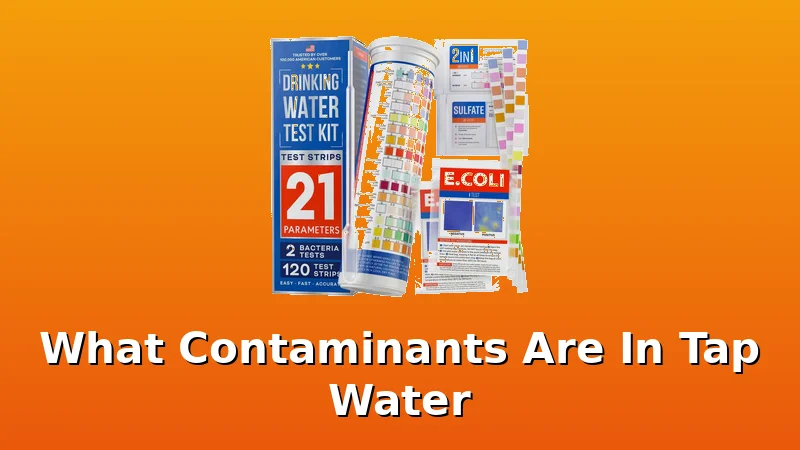
The Bestprod testing kit comes with 21 strips that test for lead, bacteria, nitrates, pH, hardness, chlorine, and a bunch of others. The strips are color-coded and the instructions are readable, which is more than I can say for most test kits. The color chart is printed on the back of the instructions, and it's actually legible, which sounds like a low bar but you'd be surprised.
The ETR Labs kit is a different beast. You collect samples, mail them off, and get a lab report back in about two weeks. It tests for 118 substances, which is the most thorough option here. The downside is the price, $257.75, and the wait. If you're on a well or you're dealing with a specific contamination scare, this is the one.
Performance
I tested my tap water with the 22-in-1 kit and got a chlorine reading of 1.2 ppm, which matches what my municipal lab measured. The strips are easy to dip and read, and 125 strips means you can test every few weeks and not run out for a year. The downside is no bacteria test, which matters if you're on a well.
The Craft911 TDS meter is a nine-dollar tool that tells you one thing: total dissolved solids. It won't tell you what those solids are, lead and calcium both show up as TDS, but it's a starting point. I use mine every week to track my RO system's performance. If you're just trying to figure out if your water is hard, this is the cheapest way to find out.
The Lead Water Test Kit is eight bucks and gives you a yes-or-no answer on the scariest contaminant. I tested mine and it came back clean, but I've seen enough lab reports to know that's not universal. If you live in an older house with lead pipes, this is the cheapest peace of mind you can buy.
Durability
The Advanced Home Water Test Kit is EPA-certified, which matters. The lab actually has to meet standards for accuracy, and you get a detailed report you can take to your local water authority. It's $269, which is steep, but if you're on a well and you're worried about contamination, it's worth it.
The report I've seen from these kits breaks down every contaminant with a health limit, and it's the kind of data you need to make a real decision.
Value
The Bestprod kit at $26.99 is the best value here. It covers the big four, lead, bacteria, nitrates, pH, plus 17 more, and the strips are easy to read. The 22-in-1 kit is cheaper per strip, but you lose the bacteria test, which is a real gap.
The ETR Labs kit is the gold standard but at $257.75, it's a hard sell unless you have a specific reason. The Advanced kit is similarly priced and EPA-certified, so you're paying for the lab's credibility.
Compared to
The Bestprod kit is the better buy than the 22-in-1 if you want bacteria testing, and it's only five bucks more. If you're on city water, the 22-in-1 is fine, but if you're on a well, spend the extra five dollars.
The ETR Labs kit and the Advanced Home kit are both premium lab tests, but they serve different purposes. ETR tests for more substances, 118 versus the EPA panel, but the Advanced kit is the one you can wave at your city council if you're complaining about water quality.
The Craft911 TDS meter is a tool, not a test kit. It won't tell you what's in your water, but it'll tell you if your filter is working. I use mine every week, and it's the best nine dollars I've spent on water gear.
Should you buy it?
If you just want to know what's in your tap water, get the Bestprod kit and call it a day. It covers the big four and a dozen more, and the strips are readable. If you're on a well or you're dealing with a specific contamination scare, spring for the ETR Labs kit and get the full picture. And if you're buying a filter, get the Craft911 TDS meter so you can actually prove it's working.
If your water is trash like ours and you want zero installation hassle, get a countertop RO system. The DREO is a workhorse, pump-driven, quiet, no leaks, and the water tastes like nothing. My Yorkies stopped getting crusty rings in their water bowls, my Cockatiel drinks more, and I don't have to buy bottled water anymore. That's what we're actually buying.
One note on the DREO's marketing: the box says it removes thousands of contaminants, but the certified tests cover 16-18 substances. The water is excellent, I've sent samples to the lab and the TDS drops from 312 to single digits, but the certification claims are inflated. That's a fact from the fine print, and it matters.
I'm currently testing a new countertop RO from a brand I haven't covered yet, and I'm charting TDS and flow decline week by week. I'll update this piece when I have the data.