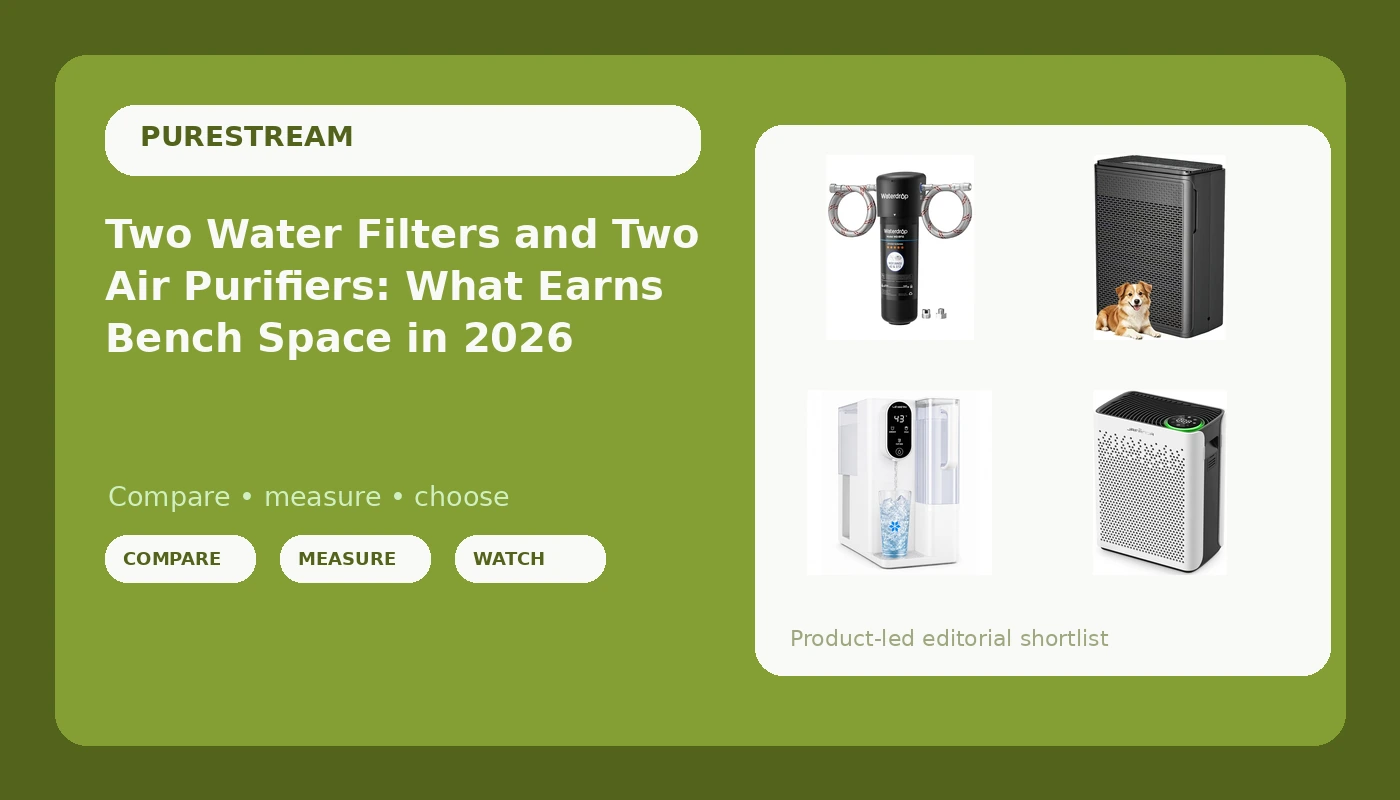
I bought my first pitcher filter for the dumbest possible reason: my son declared the tap water undrinkable and switched to juice. Madison water is not dangerous, it is just aggressively chlorinated at the tap in spring, and a kid with a sensitive nose does not care about the difference between safe and pleasant. Six years in a municipal water lab and a lot of nights with a TDS meter and a lab sheet later, I still think taste is the honest entry point. It is why people start buying home water and air purifiers, and it is why they keep buying them.
This comparison puts four units on one page: an under sink filter, a countertop reverse osmosis machine, and two HEPA air purifiers. Two of them treat water, two of them treat the air in a room, so they are not competitors in a strict sense. But they compete for the same two things in a real house, money and the willingness to maintain a device, and that is the comparison worth making.
The short version: for taste and chlorine, the Waterdrop 10UA under sink system is the most defensible water pick here, because it carries an actual NSF/ANSI 42 certification and a one year cartridge interval. If you want dissolved solids gone without cutting into a cabinet or a counter, the Leysern countertop RO is the one to study. On the air side, the AHAM Verified purifier is the safer buy because a third party confirmed the room size number, and the YARIKI P280 is the value pick if H13 filtration and a washable pre-filter matter more to you than a verified clean air delivery rate.
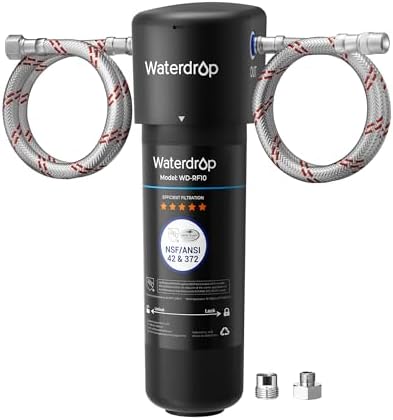
Waterdrop 10UA Under Sink Water Filter System, NSF/ANSI 42 Certified 1 Year
A real NSF/ANSI 42 number, a one year cartridge interval, and a housing that disappears under the sink
It targets taste and chlorine only, it is not a lead system, and flow depends on your line pressure
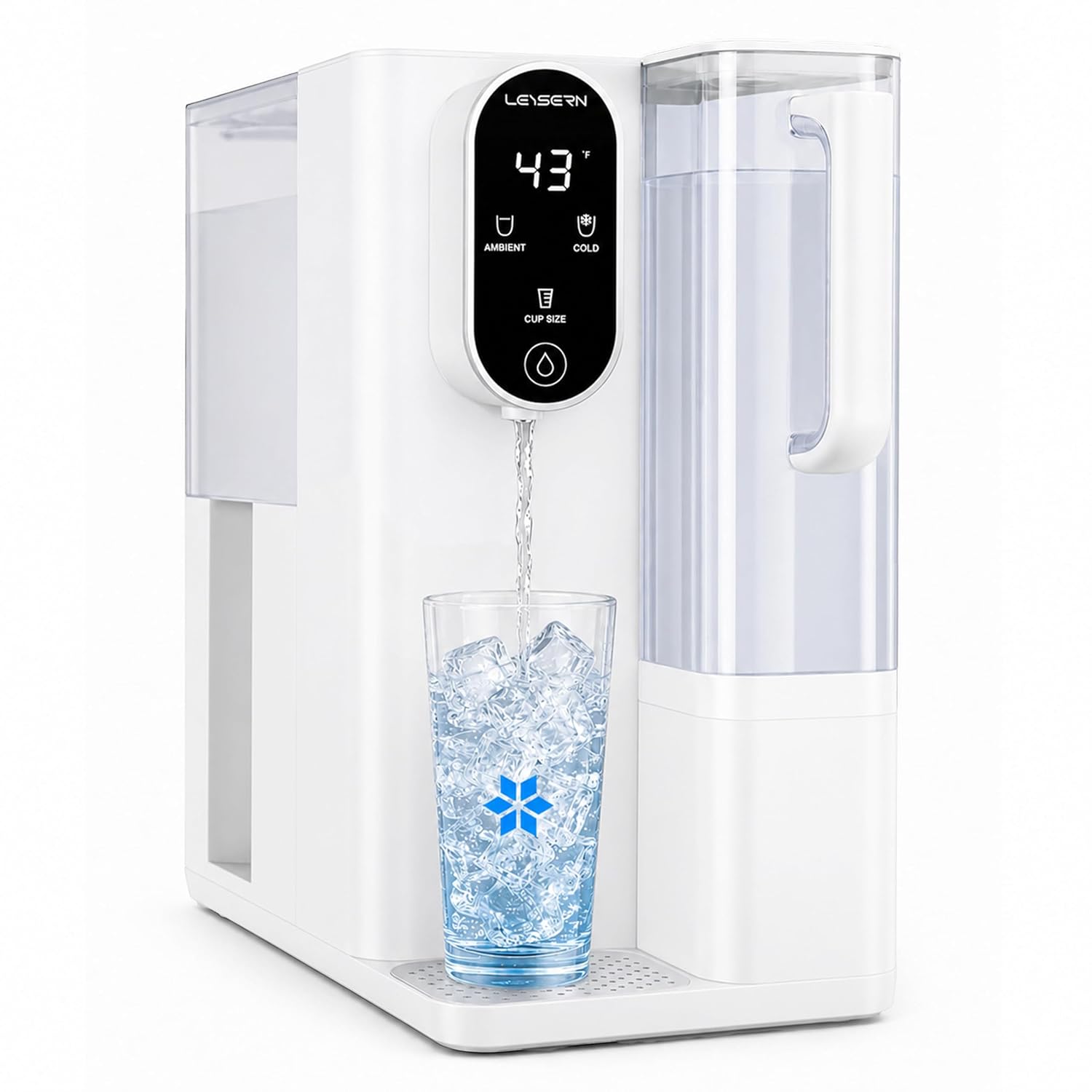
Leysern Cold Countertop Reverse Osmosis Water Filter, No Installation
RO drops dissolved solids to near zero with no plumbing work at all
It eats counter space, RO sends wastewater somewhere, and the filter schedule is a schedule, not a cartridge
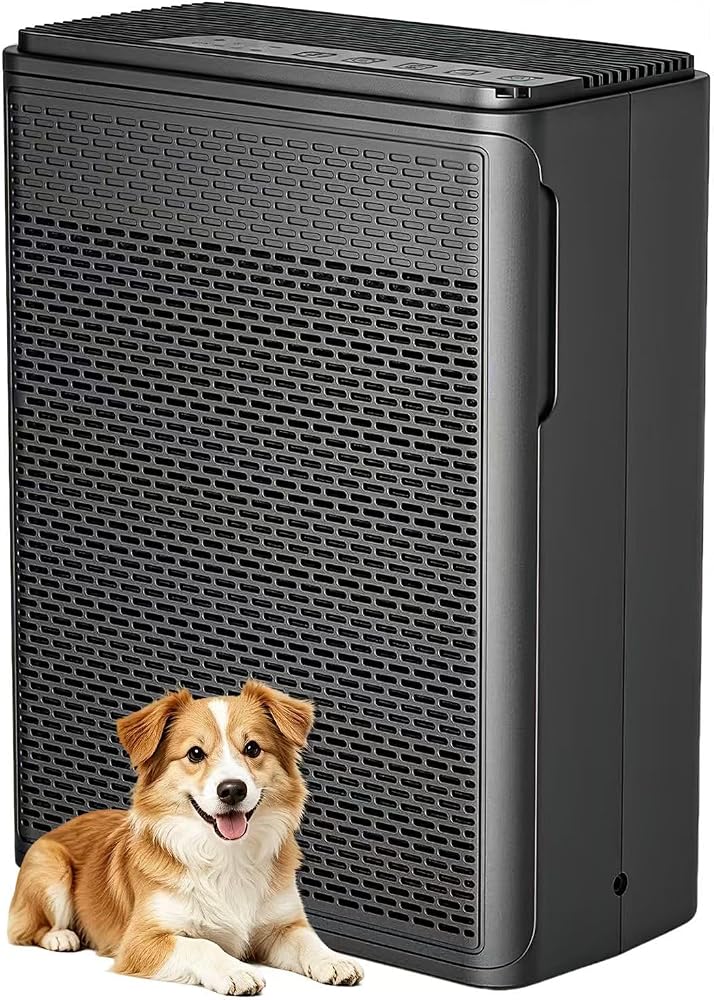
YARIKI Air Purifiers for Home Pets Covers Up to 1500 Sq Ft,H13 Hepa Filter with Washable Pre-Filter,Pet Hair Dander Smoke Air Cleaner,22 dB Quiet Sleep for Living Room Bedroom Kitchen,P280 (Black)
H13 HEPA plus a washable pre-filter, and the lowest entry cost for real filtration of the group
The 1500 square foot number assumes one air change per hour, and 22 dB is a lowest speed figure
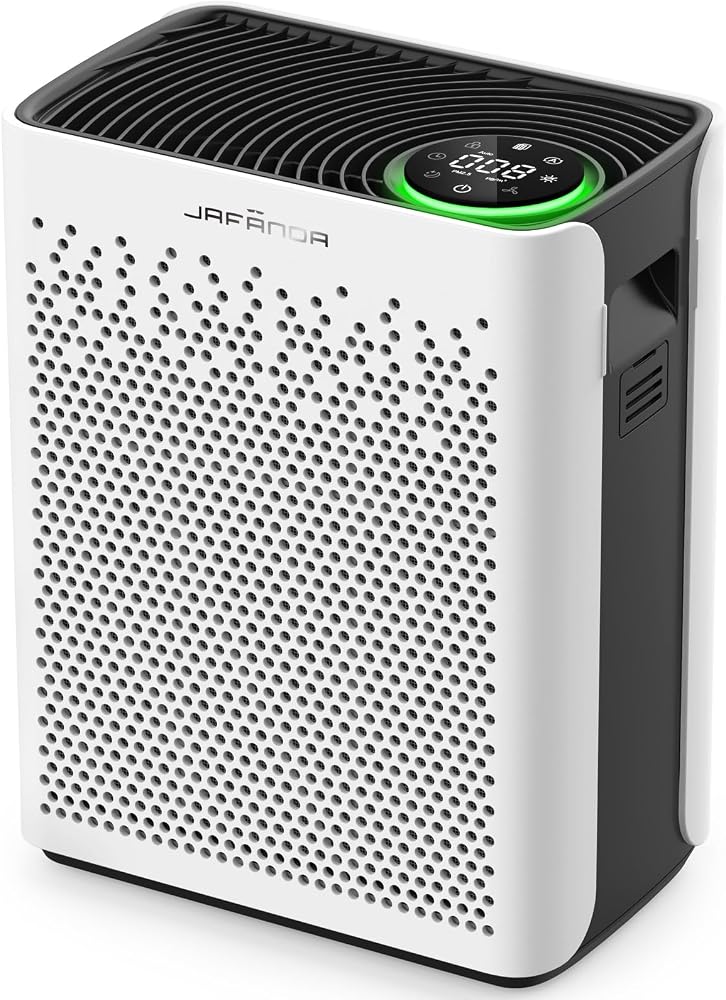
Air Purifiers for Home Large Room with Washable Pre Filters, Up to 1015Ft² | AHAM Verified, HEPA Air Purifier for Bedroom with Sleep Mode, Removes Pets Dander, Allergies, Dust, Smoke, Pollen
AHAM verified coverage, washable pre-filter, and a sleep mode that suits a bedroom
A smaller headline number than the YARIKI and a plainer feature list
Prices and availability were captured from Amazon Creators API and may change.
How I compare four different machines
Every point-of-use filter that comes through my basement gets the same treatment: 100 gallons of Madison tap water, a TDS reading before and after, a flow measurement at the first gallon and again near the end, and a lab sample for chlorine, lead, and hardness at the halfway point. I keep a logbook of every reading and every filter change, because the box is a marketing document and the logbook is not. Air purifiers get a different protocol with the same spirit: I care about the filter schedule, the noise at the speed you will actually live with, and whether the room size claim is certified or just printed.
The two categories share one question, and it is the question almost no product page answers clearly. What does it cost to keep this running for a year? A water filter's sticker price is the bait, and the cartridge is the price. An air purifier works the same way, except a washable pre-filter is the one component that subtracts from your annual cost instead of adding to it. That single detail separates the two purifiers here more than any filtration class number.
The under sink pick: Waterdrop 10UA
The Waterdrop 10UA is a dedicated under sink system, which means it installs on the cold water line and feeds its own faucet, or a bypass on an existing one. The certification on the label is NSF/ANSI 42, and the cartridge interval is listed as one year. Those are the two numbers I look at first.
NSF/ANSI 42 is the aesthetic effects standard: chlorine taste and odor plus particulate reduction. It is the certification that fixes the swimming pool problem, and it is not the certification that addresses lead, which lives under NSF/ANSI 53. That distinction is not a knock on the 10UA. It is a knock on shoppers who see a certification number and assume it covers everything on the periodic table. If lead is your worry, you need a system certified to 53, or a lab test showing your lead is not a problem to begin with.
Where the 10UA earns its place is the cartridge interval. One year per filter, on a unit that sits out of sight under the counter, is the least annoying ownership experience in this group. You install it once, you change a filter once a year, and your counter stays clear for a cutting board. Flow rate is the spec to check before you buy, because every under sink filter is a restriction on the cold line, and a filter that delivers a thin stream will have you filling pasta pots from the bathroom sink inside a month.
Who it suits: a household on treated municipal water whose main complaint is taste, with a budget that can absorb a modest up-front cost plus one cartridge a year. Visit on Amazon →
The countertop pick: Leysern cold RO
Reverse osmosis is the only consumer technology that meaningfully drops dissolved solids, and TDS is the one number a cheap meter can actually measure without lying to you. The Leysern unit is a countertop RO system with no installation, which is the pitch that makes RO accessible to renters and to anyone who is not going to drill a hole in a quartz countertop.
What RO does well is straightforward. It pushes water through a membrane that rejects dissolved solids, and it takes TDS down to near zero. That also strips the calcium and magnesium that give water its roundness, so the result tastes flat to some people and clean to others. Both reactions are honest, and neither one is a health claim.
What to watch is that RO is a system, not a cartridge. Units in this class typically carry a pre-filter, a membrane, and a post-filter, each on its own interval, and the membrane is the expensive one. There is also wastewater: every RO unit sends some water to drain to make the rest, and a countertop unit that is not plumbed needs a destination for that water. That detail is what the "no installation" line skips.
Counter space is the second cost. A countertop unit lives where you cook. In my kitchen that is a real argument, which is why I would put this in a small household, a rental, or a cabin, and think twice about it in a busy family kitchen with a full sink. Visit on Amazon →
Air purifier one: YARIKI P280
The YARIKI P280 lists H13 HEPA filtration, a washable pre-filter, coverage up to 1500 square feet, and a sleep noise floor of 22 dB. It is aimed at pet households, which is a real use case and not just a keyword.
H13 is a filter class, and it is genuinely good filtration. The washable pre-filter is the part I care about most in a house with animals, because pet hair is what kills a HEPA cartridge early, and a pre-filter you rinse in the sink is maintenance that pays for itself. If you have ever priced a replacement HEPA cartridge, you know why that matters.
Two caveats, and both are about how coverage gets advertised rather than about the machine. First, a coverage number like 1500 square feet almost always assumes one air change per hour at the highest fan speed. One air change per hour is not the same thing as clean air in a room. Most people running a purifier for allergies are chasing something closer to four or five air changes per hour, which is roughly a quarter of a headline number like that. Second, 22 dB is a low speed figure. Every purifier is quiet on speed one. The question is what it sounds like on the setting you will actually leave it on overnight.
On paper, this is a lot of filtration for the money, and the P280 is the unit I would point a pet owner toward if H13 media and a washable pre-filter matter more than a third-party number. Visit on Amazon →
Air purifier two: the AHAM Verified unit
The second purifier lists coverage up to 1015 square feet with washable pre-filters, AHAM verification, and a sleep mode. The headline number is smaller than the YARIKI's, and I still consider it the more trustworthy air buy, for one reason. AHAM verification means a third party confirmed the clean air delivery rate and the suggested room size. That is the same principle as an NSF number on a water filter. It is the difference between a claim and a checked claim.
A smaller verified coverage number beats a larger unchecked one. Every time. The washable pre-filter is here too, so the annual cost is mostly the HEPA cartridge, and sleep mode matters more than people admit, because the purifier you switch off at night is the purifier that is not cleaning your bedroom.
Where this one loses is presentation. It is the plainer machine: no pet-specific marketing, less dramatic filtration class language, and a room size that will look modest next to a 1500 square foot claim. If you want the biggest number on the box, this is not it. If you want the number somebody actually measured, it is. Visit on Amazon →
Certification numbers, and why I keep harping
NSF/ANSI 42 covers aesthetic effects. NSF/ANSI 53 covers health effects, lead and volatile organic compounds among them. NSF/ANSI 401 covers emerging compounds. A number printed next to the standard is a certification. The phrase "tested to NSF standards" with no number attached is a sentence, not a certification. I have never seen an exception to that rule, and I have looked.
AHAM verification works the same way for air. A verified clean air delivery rate and room size is a tested claim. A room size in a marketing bullet is a hope.
So sort the four units here by what is verified. The Waterdrop carries an NSF/ANSI 42 certification. The AHAM purifier carries verified coverage. The other two are not leaning on certification in their names, which does not make them bad machines. It just means the burden of proof moves to you, your meter, and your own logbook.
The replacement cost is the real price
Cost per gallon is the only honest water filter metric. Add the purchase price to a year of cartridges, then divide by the gallons your household actually drinks. A cheap system with a costly cartridge every three months loses to an expensive system with a yearly cartridge, and it loses badly. Do that arithmetic before you buy, not after the third replacement.
Air purifiers run on the same logic with a different unit: cost per year of filtration. A washable pre-filter lowers it. A proprietary HEPA cartridge with no third-party equivalent raises it. And an "up to" room size that is twice your actual room raises it, because you paid for capacity you cannot use.
Which one for which house
- Municipal water that tastes like a pool, no lead concern, and one tap you drink from: Waterdrop 10UA.
- A rental, or a counter you would rather not drill, and you specifically want dissolved solids down: Leysern countertop RO.
- One dog, one cat, hair on every surface, and a budget under a hundred dollars: YARIKI P280.
- Allergies, a bedroom, and a room size number that a third party signed off on: the AHAM Verified purifier.
What I'm testing next
I have a parallel lab batch running on lead, chlorine, and hardness claims, and the pattern so far is that the certification number predicts the lab result better than the price does. Nine units are on the bench right now, and I will publish the flow decline numbers when the last one crosses 100 gallons.
If you take one thing from this comparison, take this: buy the machine with the verified number and the cheap, predictable filter, and treat the sticker price as the least important part of the decision. Check current Amazon price, then check what the replacements cost, and buy the one where the second number does not make you wince.